

![[object Object]](/_next/image?url=%2Fimages%2Fcase-study%2FAtlas%2Fsmaproductionone.webp&w=1920&q=75)
“2 × 160 TPH Asphalt Plants Engineered for RAP and SMA Production in Saudi Arabia”
We custom-configured each stationary plant with expanded storage, fine filler handling, RAP feed, and fiber dosing to power large-scale highway asphalt production.
The Challenge
The client required high-capacity plants able to produce standard, recycled, and modified asphalt while keeping large-scale infrastructure projects running smoothly.
Continuous High-Volume Supply
The client needed sufficient asphalt storage to maintain continuous production and handle peak pouring times.
Flexible Mix Capability
The plants had to produce standard, recycled, and fiber-modified asphalt from one setup, without changing equipment.
Precision for Modified Mixes
Consistent gradation and accurate additive dosing were crucial for heavy-duty highway mixes like Stone Matrix Asphalt (SMA).
The Engineering Solution
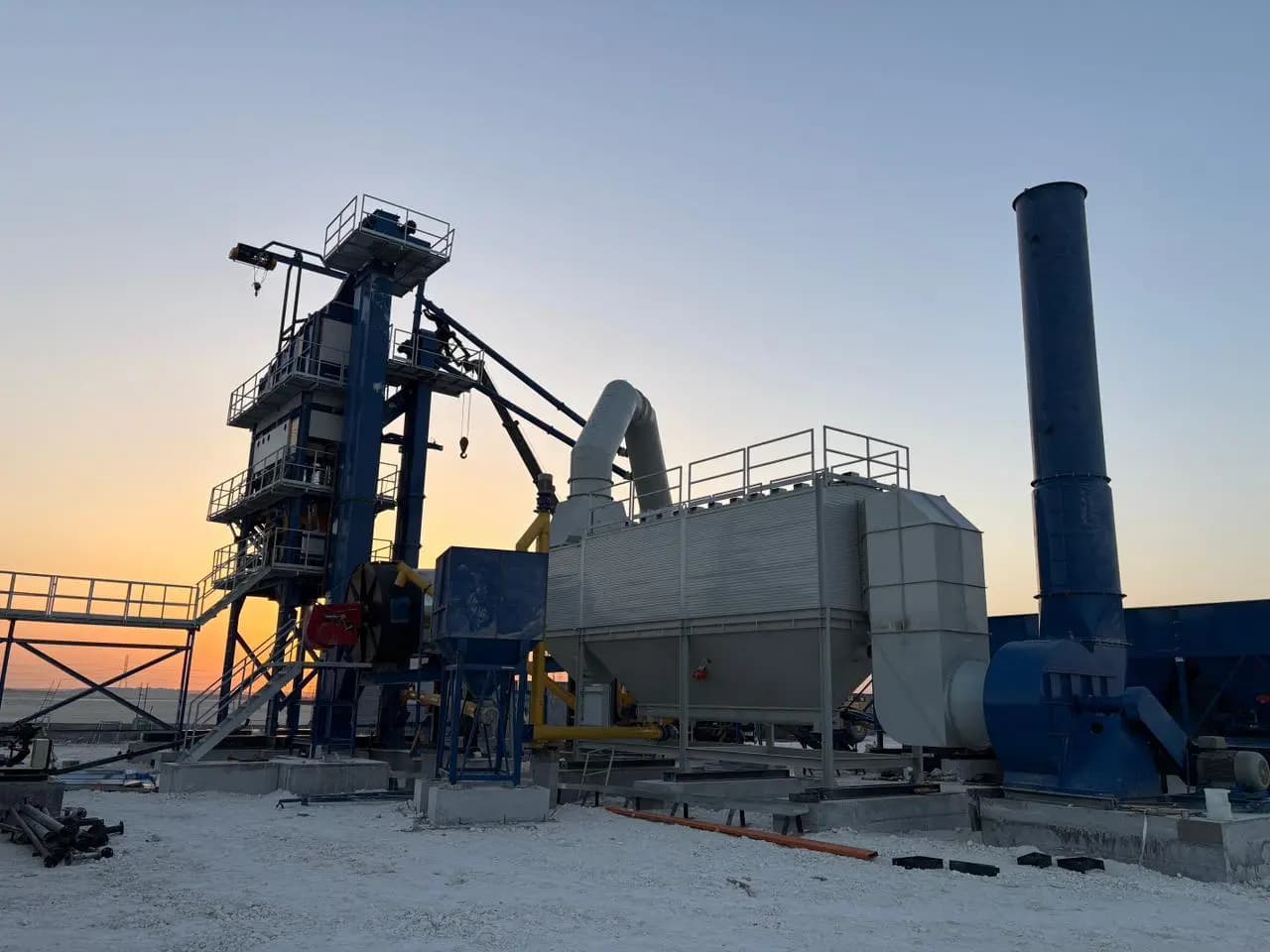
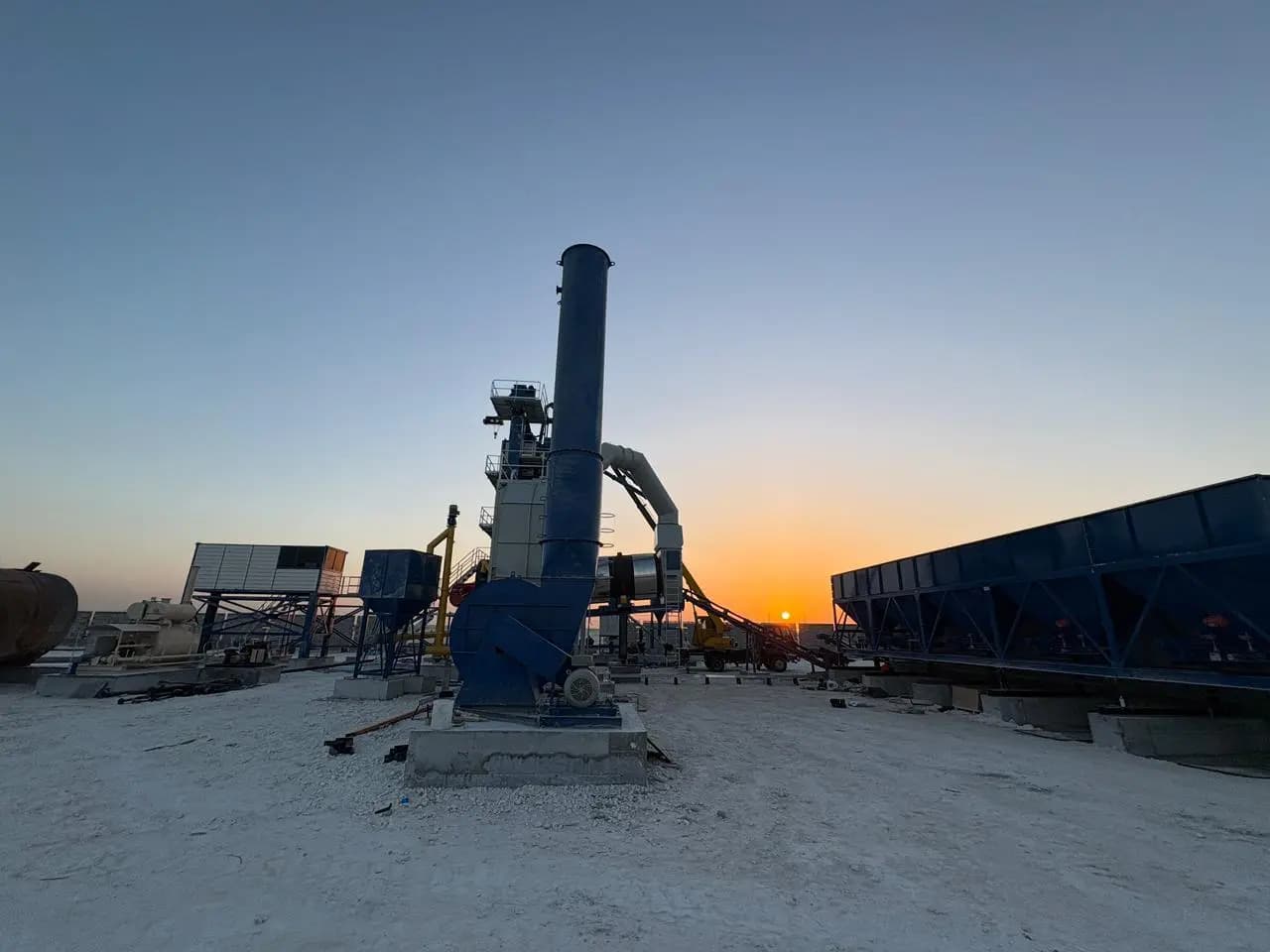
Atlas Technologies designed two ABP 160 stationary batch plants to meet the client’s mix requirements. Each plant included extra storage and dedicated feeding and dosing systems, allowing reliable large-scale production of various asphalt mixes.


Plant & Equipment Supplied
2 × ABP-160 Stationary Asphalt Batch Mix Plants at 160 TPH each, with expanded asphalt storage silos, fine filler feeding system, virgin and RAP feed system, and cellular fiber dosing system. These are fully configured for heavy-duty highway production.
Custom Material Handling & Dosing
A dedicated fine filler system manages gradation, while an integrated virgin and RAP feed supports recycled mixes. Cellular fiber dosing makes modified formulations like SMA possible.
Built for Uninterrupted Operation
Extra asphalt storage silos create a buffer during busy pouring cycles, so site operations continue without production delays.
The Victory
Project Outcomes
Performance Snapshot
“They understood exactly what we needed from these plants. The RAP feed, filler system and fiber dosing were built in from the start, so we can produce standard, recycled and SMA mixes without any compromise.”
Project Head
Leading Road Infrastructure Contractor, Saudi Arabia
Building Heavy-Duty Highways That Demand More Than Standard Asphalt?
Let us engineer a plant with the feeding, dosing, and storage to produce every mix your specification calls for.