

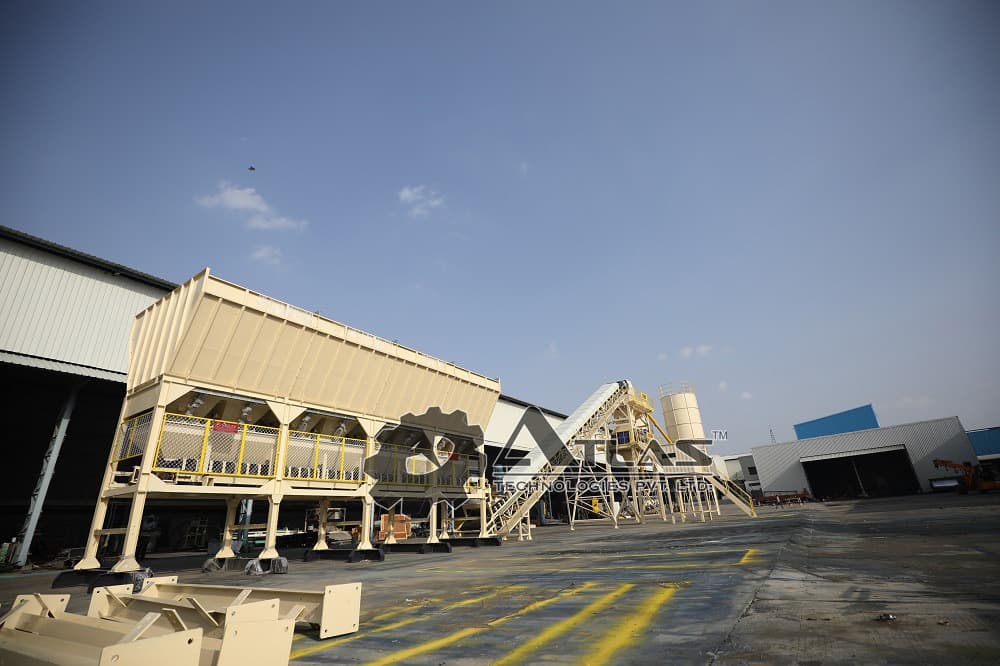
Twin Shaft Mixer Concrete Batching
Plants [30-200 m³/hr]
High-Volume Stationary Plants for Infrastructure & RMC Applications
Products
Discover and filter the products you need.
Filters
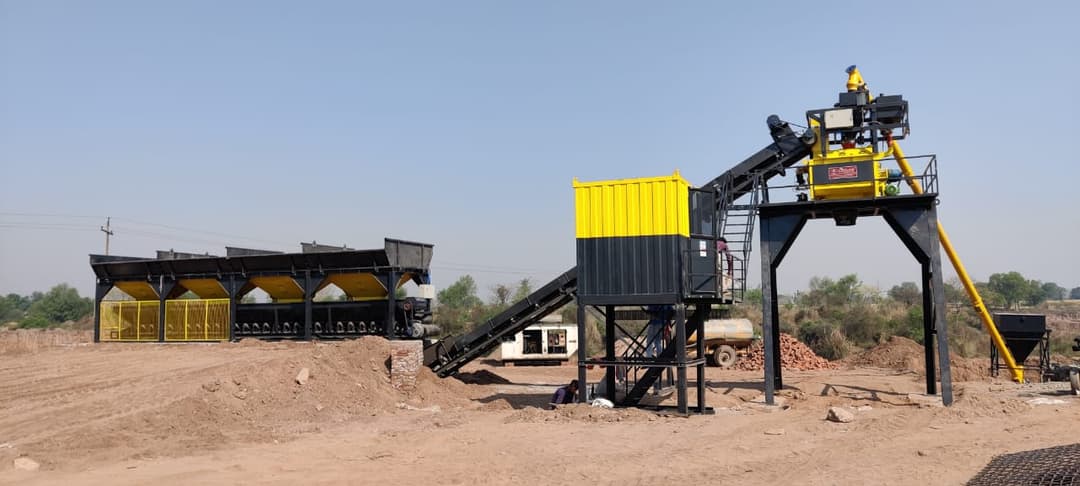
ASCB 30/ATMIX PRO-30 | 30 m³/hr
30 m³/hr | Best for: Medium projects / RMC

ASCB 45/ATMIX PRO-45 | 45 m³/hr
45 m³/hr | Best for: Medium-scale infrastructure Projects
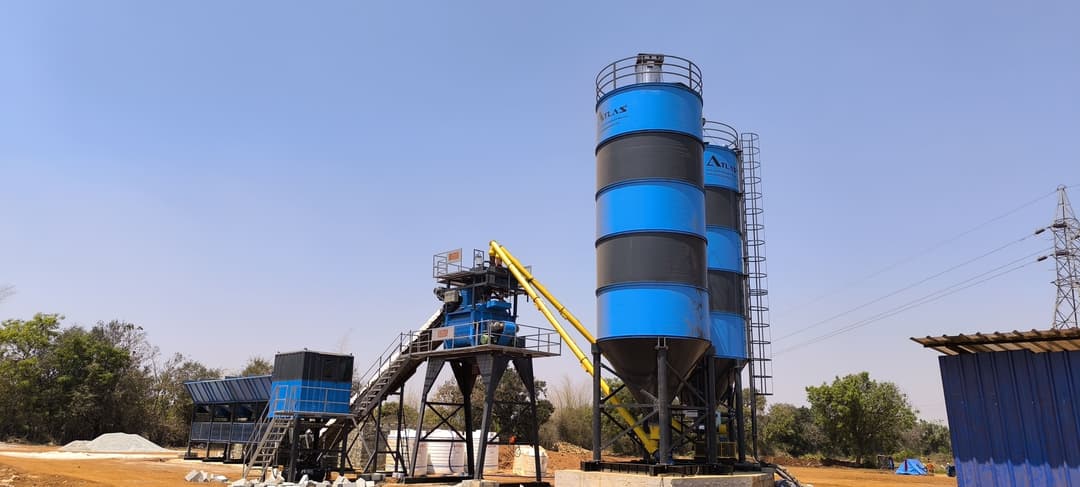
ASCB 60/ATMIX PRO-60 | 60 m³/hr
60 m³/hr | Best for: RMC plants/bridges
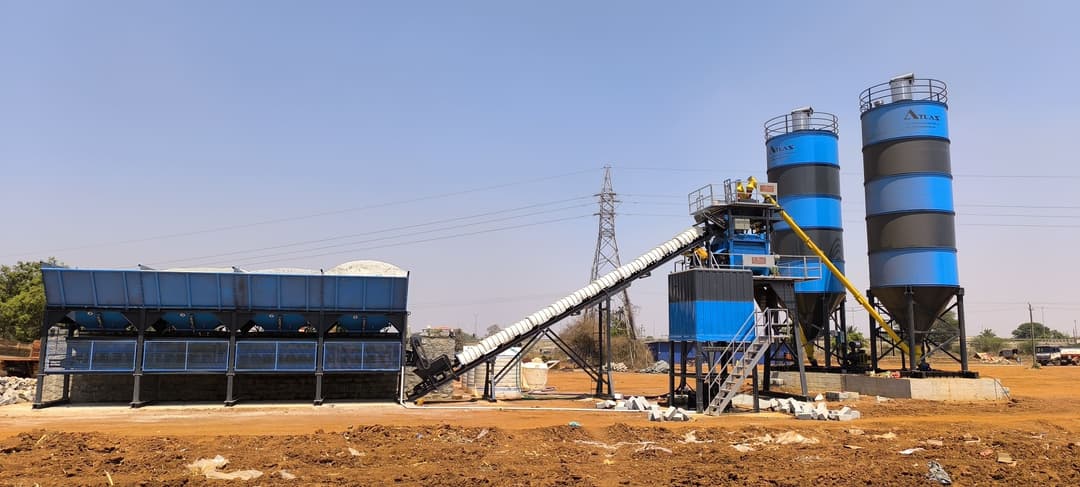
ASCB 75/ATMIX PRO-75 | 75 m³/hr
75 m³/hr | Best for: Large civil projects
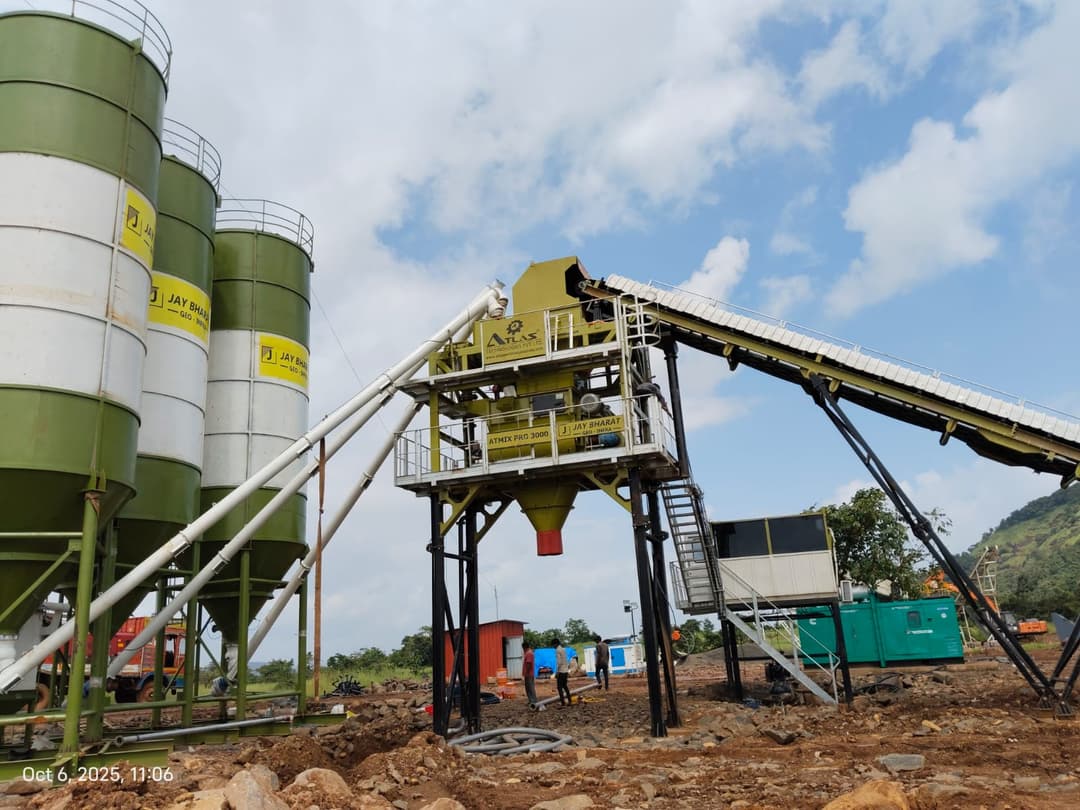
ASCB 90/ ATMIX PRO-90 | 90 m³/hr
90 m³/hr | Best for: Industrial infrastructure

ASCB 120/ATMIX PRO-120 | 120 m³/hr
120 m³/hr | Best for: Mega projects
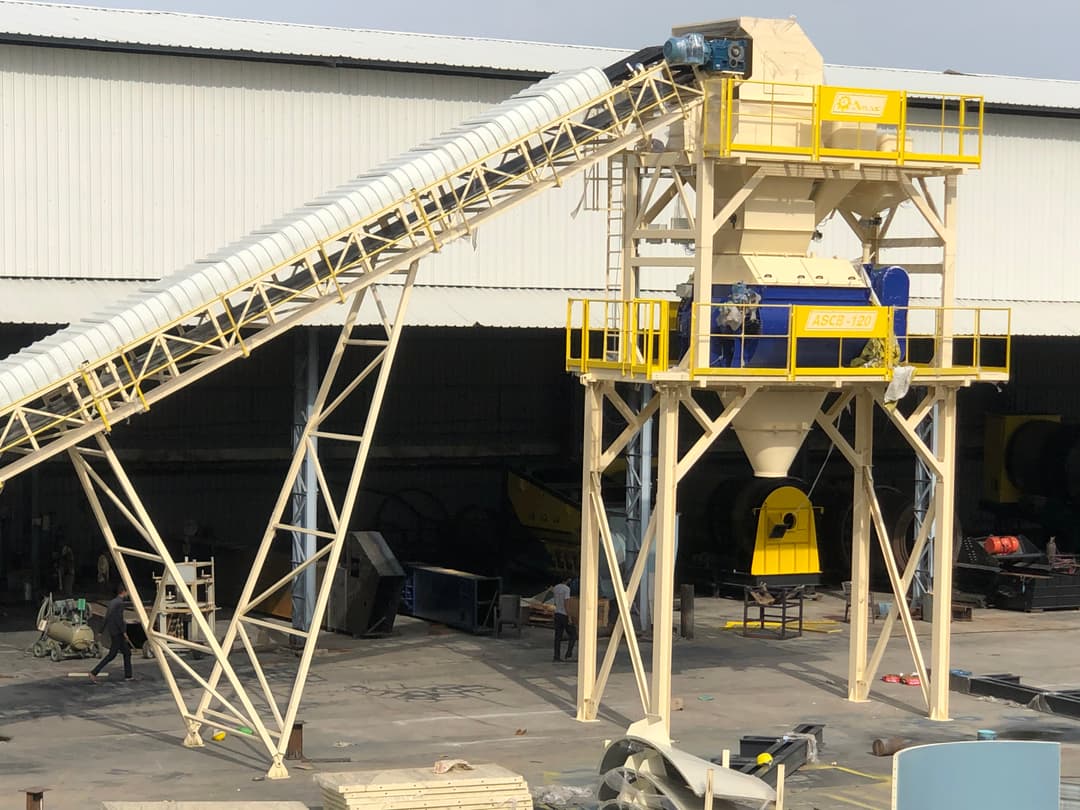
ASCB 160/ATMIX PRO-160 | 160 m³/hr
160 m³/hr | Best for: Dams/airports
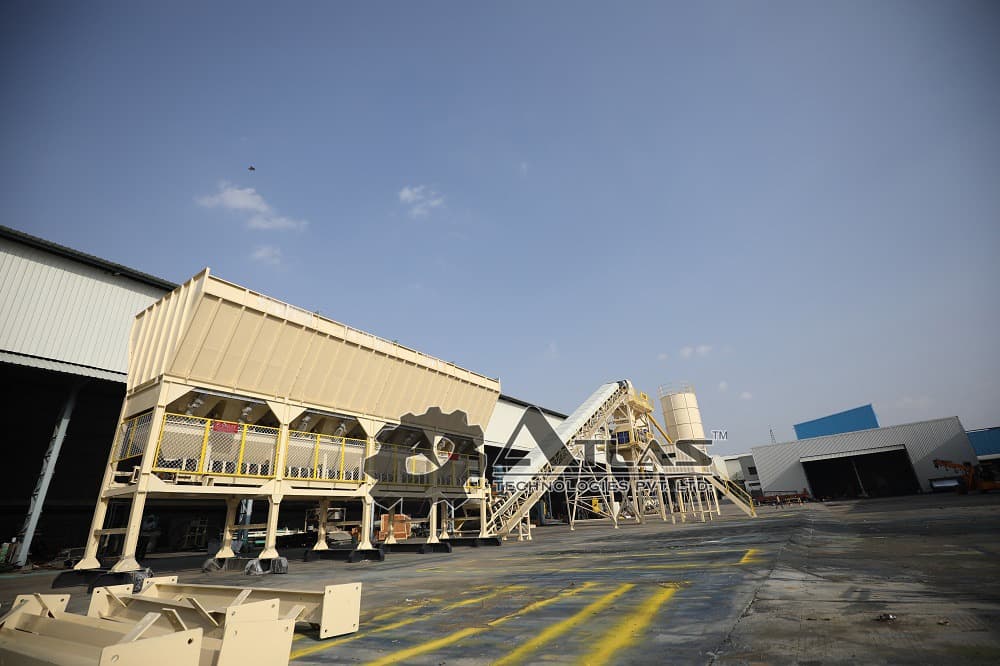
ASCB 180/ATMIX PRO-180 | 180 m³/hr
180 m³/hr | Best for: Expressways, metro corridors, large bridges
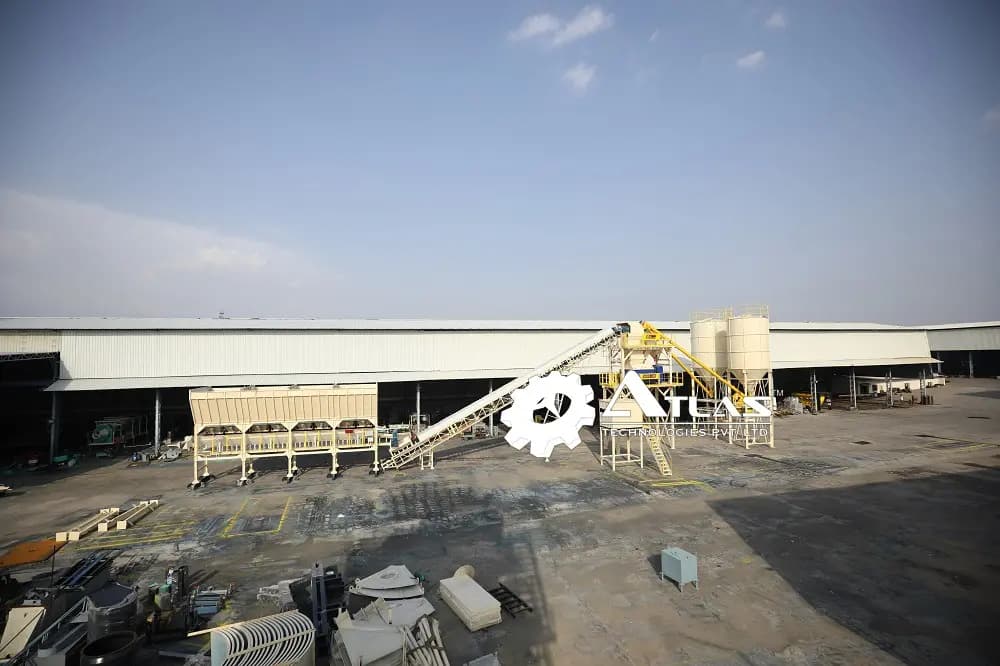
ASCB 200/ATMIX PRO-200 | 200 m³/hr
200 m³/hr | Best for: High-output ready-mix
Overview
Engineered for Heavy-Duty, Consistent Concrete Production
Atlas Technologies’ Stationary Concrete Batching Plants are equipped with twin-shaft paddle mixers, ensuring thorough mixing at high levels for superior concrete quality. With strong and reliable construction, advanced control systems, and customizable configurations, these plants are ideal for highways, dams, bridges, and other infrastructure projects.


BENEFITS
Why Do Our Twin Shaft Mixer Plants Lead the Industry?
Precision & Mix Quality
+- ✓ Twin-shaft mixer for thorough mixing (with replaceable parts)
- ✓ SCADA/PLC control option for recipe, batching, reporting, and data storage
Efficient Feeding & Weighing
+Dust & Environmental Control
+Scalable Configuration
+CONNECT WITH US
Ready to Build? Let’s Talk!
Fill out the form to share your project needs and discuss the best option for it.