

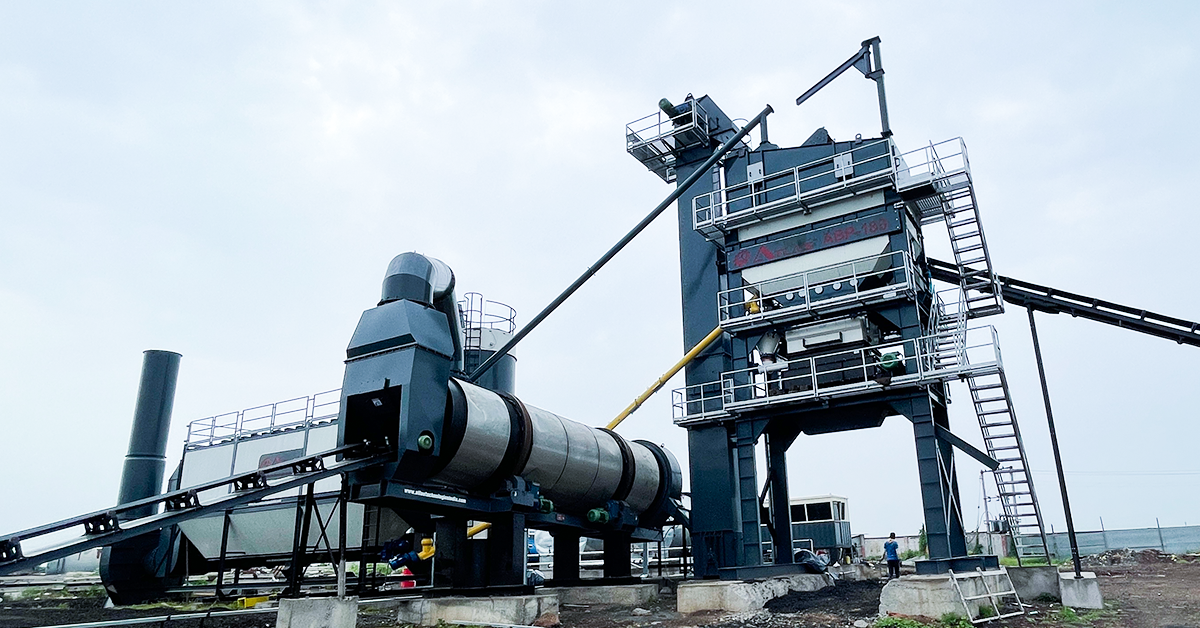
Every engineer knows, "roads don't fail overnight." Cracks, rutting, and surface fatigue usually trace back to one root cause: inconsistent asphalt mix quality.
Today, when infrastructure projects are getting bigger, timelines getting shorter, and quality audits are stricter than ever, engineers cannot rely on outdated or manual mixing setups. The archaic manual mixing can lead to massive setbacks at scale; for example, uneven compaction, rejected batches, or even early road failure.
Asphalt batching plants are a crucial component of road construction projects. A study found that asphalt mixtures with better aggregate gradation (i.e., proper size distribution) showed significantly improved rutting resistance and performance under high temperatures.
In short, the right asphalt mix quality brings repeatability, accuracy, and control to every stage of asphalt production, thereby ensuring that what leaves the plant performs perfectly on-site.
Let's break down how these plants work, what makes them efficient, and why precision in batching translates directly to road durability.
What is an Asphalt Batching Plant?
An asphalt batching plant is a production system that manufactures hot mix asphalt in precisely measured batches. Unlike continuous drum mix plants, which operate non-stop, batching plants allow for exact proportioning of aggregates, bitumen, and filler material in every cycle.
This means contractors can switch between different mix designs for highways, runways, or city roads, all while maintaining consistent quality and temperature control.
Each plant integrates multiple systems working in sync:
- Cold Aggregate Bins for size-wise feeding
- Drying Drum with Burner for moisture removal and uniform heating
- Screening Unit to separate aggregates by gradation
- Bucket elevator to transport materials
- Hot Bins & Weighing Systems for accurate batching
- Pugmill Mixer for quick, homogeneous blending
- Dust Collection & Control Panel for environmental and operational efficiency
Together, they ensure that every tonne of asphalt meets the exact standards required for load-bearing strength, smooth finish, and longevity.
Why Batching Matters: Common Pain Points It Solves
1. Inconsistent Mix Quality
Manual or continuous processes often produce uneven gradation or temperature variations. Batching systems eliminate this by using load-cell–based weighing and automated controls — ensuring every mix meets specification.
2. Project Delays Due to Rework
Rejected asphalt or failed compaction tests can stall paving schedules. With batching plants, precision in every cycle minimizes rework, helping teams stay on schedule even with complex project timelines.
3. Rising Fuel and Material Costs
Modern plants use optimized burners, energy-efficient drying drums, and recycled asphalt pavement (RAP) integration, thereby reducing operational costs without compromising output quality.
4. Stricter Environmental Regulations
Dust collectors, bag filters, and emission controls help plants comply with air quality norms while keeping sites cleaner and more sustainable, a growing requirement in public infrastructure tenders.
5. Limited Flexibility Across Mix Types
From dense-graded bituminous macadam to stone mastic asphalt, batching technology allows quick recipe changes with minimal downtime, making it ideal for contractors handling diverse projects.
Core Features of Asphalt Batching Plants
1. Cold Aggregate Feeder Bins
Aggregates are stored by size and fed via controlled gates to maintain precise ratios. Early segregation ensures mix uniformity right from the start.
2. Drying Drum with Burner
Heats and removes moisture from aggregates using a burner system that balances temperature and fuel efficiency. It's critical for consistent bonding with bitumen.
3. Vibrating Screen
After drying, aggregates pass through multi-layer vibrating screens to separate them by size — ensuring accurate gradation for each asphalt mix design.
4. Hot Bins & Weighing Systems
Heated aggregates are stored in insulated bins before batching. Load-cell–based weighing ensures ±1% accuracy, reducing waste and ensuring exact proportions.
5. Pugmill Mixing Unit
A twin-shaft mixer blends all ingredients rapidly for uniform coating and temperature distribution — resulting in asphalt that compacts evenly and lasts longer.
6. Dust Collection System
Bag filters and cyclones capture dust and fine particles, reducing emissions and meeting environmental compliance standards.
7. PLC/SCADA Control Panel
The control system automates every function — from feed rates to temperature monitoring — minimizing human error and ensuring repeatable results batch after batch.
Key Benefits at a Glance
| Benefit | Impact on Operations |
|---|---|
| Accurate Batching | Delivers uniform mix quality and performance reliability |
| Flexible Mix Production | Enables multiple asphalt grades in one shift |
| Reduced Waste & Fuel Use | Optimizes resources and lowers costs |
| Environmental Compliance | Controls emissions and dust pollution |
| Higher Project Efficiency | Minimizes downtime and rework on-site |
Practical Applications
- Highways and Expressways: Durable mixes for heavy traffic and long service life
- Airport Runways: High-strength asphalt for repeated aircraft loading
- Urban Roads and Streets: Smooth finishes with low noise and minimal cracking
- Bridges and Parking Lots: Specialized mixes that handle temperature and load stress
Each use case benefits from the same foundation — consistency in batching and control over every variable that affects pavement life.
Asphalt Production Process: Step by Step
- Cold Aggregate Feeding: Sized aggregates are fed from bins in controlled amounts.
- Drying & Heating: Moisture is removed, and aggregates are heated in a rotary drum.
- Screening & Storage: Aggregates are separated and stored in hot bins by size.
- Weighing: Precise quantities of aggregate, bitumen, and filler are measured.
- Mixing: Materials are blended in the pugmill for a uniform hot mix.
- Discharge & Storage: Finished asphalt is transferred to heated silos or trucks.
- Emission Control: Dust filters capture particulates for a clean, compliant operation.
Mixing Accuracy = Long-Standing Road Performance
The critical need for a precision-built asphalt batching plant proves that in construction, the process is just as important as the materials. By choosing a method that prioritizes precision and control at every step, you aren't just buying asphalt, you're investing in an infrastructure asset designed for longevity.
Author’s Note
Atlas Technologies Pvt. Ltd. is a road construction equipment manufacturer based in Mehsana, Gujarat, India. Founded in 1986, the company designs and manufactures asphalt batch mix plants, drum mix plants, counter flow plants, wet mix macadam plants, concrete batching plants and road machinery for highway contractors, infrastructure developers and export buyers worldwide.
With over 2,500 installations across 50+ countries and 38 years of manufacturing experience, Atlas Technologies serves projects ranging from national highway construction in India to remote island deployments and large-scale export contracts across Africa, Southeast Asia, the Middle East, East Europe and Oceania Countries.
www.atlastechnologiesindia.com

Mr. Nilesh Patel
Managing Director
Ready to Build with Precision?
Explore the durable and efficient range of asphalt batching solutions from Atlas Technologies Pvt. Ltd. Let's pave the way to a stronger future, together.
EXPLORE ASPHALT BATCHING SOLUTIONS →Frequently asked
questions.
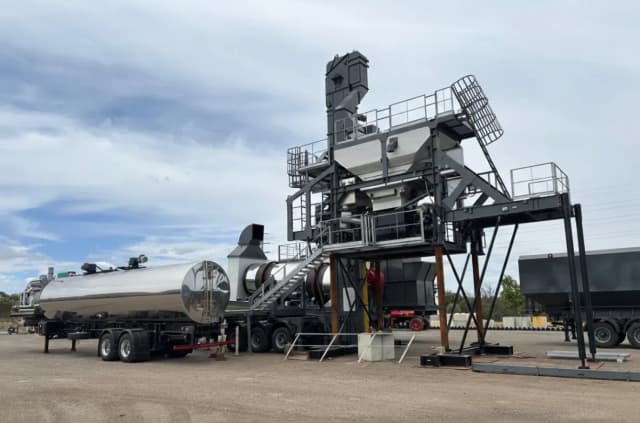
Asphalt Plant Equipment for Australian...
A practical guide for Australian road contractors on specifying, comparing...
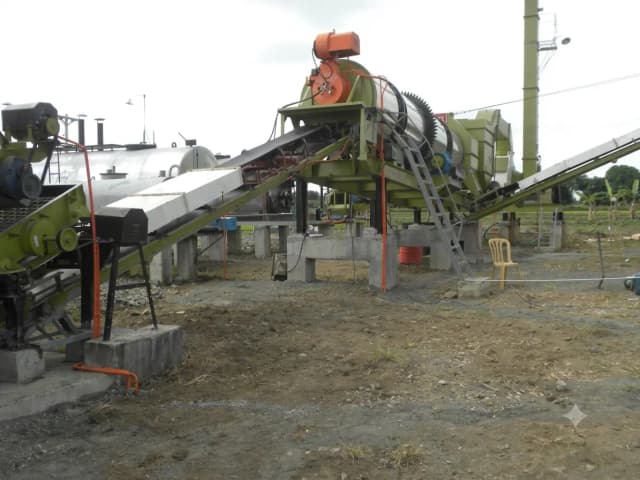
Dambar Plant vs Drum Mix...
A dambar plant is the commonly used Indian term for...
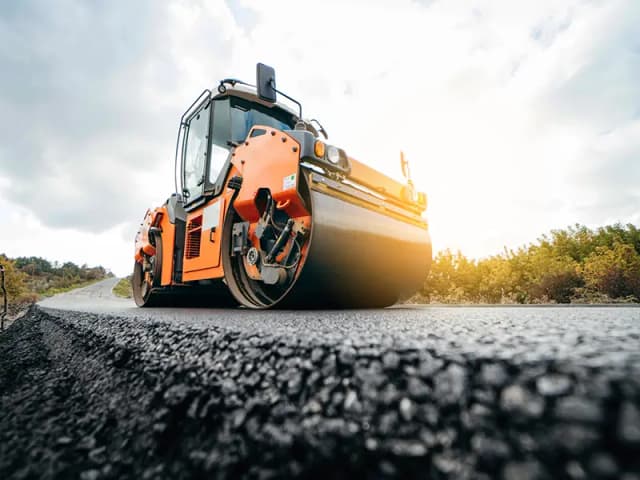
India Asphalt Pavers Market: Growth,...
India's asphalt pavers market is growing, but equipment decisions shouldn't...

Road Sweeper Machine vs Hydraulic...
Learn the difference between mechanical road sweepers and hydraulic broomers...