

The Role of Portable Asphalt Plants in Small to Medium-Sized Projects
Mar 17, 2026
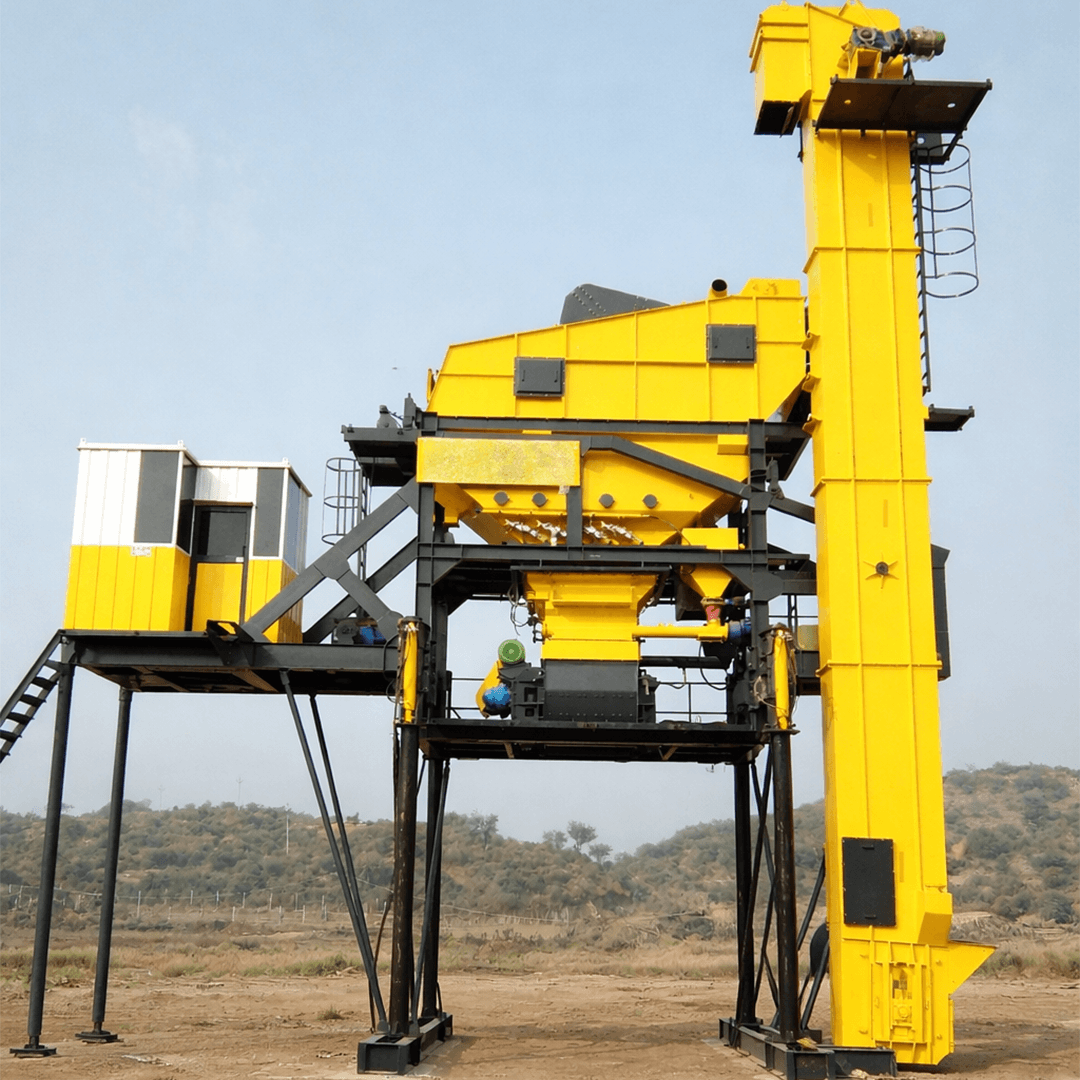
When a contractor wins a bid for a 15-kilometer district road project, one decision becomes critical: where will the asphalt come from? Portable asphalt plants (also known as the mobile asphalt mix plant for their advantage of easy relocation) can be the right choice for a project of this size.
Reason? Sourcing asphalt from a central plant 80 kilometers away means transport costs, quality degradation during hauling, and complete dependence on someone else's schedule. Building a permanent stationary plant for a single project makes no financial sense.
Before we discuss their role in small-to-medium-sized construction projects, let's clarify what we mean by portable asphalt plants.
What Makes an Asphalt Plant “Portable”?
A portable asphalt plant is designed to be relocated from one project site to another without requiring complete dismantling and reconstruction. Unlike stationary plants that are built on permanent foundations and fixed installations, portable plants use modular structures mounted on skids or transportable frames, allowing the plant to be moved when the project moves.
In industry discussions, portable plants are sometimes grouped with mobile asphalt plants because both are designed to produce asphalt closer to the construction site and reduce dependency on distant supply plants. However, portable plants typically rely on modular relocation, meaning the plant is transported in sections and reassembled at the new site.
The real distinction lies in the design philosophy. Portable asphalt drum mix plants are engineered with modular components, such as aggregate feeders, drying drums, conveyors, and control cabins. These can be disconnected, transported, and reinstalled efficiently.
With proper site preparation, contractors can relocate and recommission the plant within a few days rather than several weeks or months, making it practical for projects that move from one location to another.
Why Small to Medium Projects Need Different Solutions
Small to medium-sized projects have unique constraints that large highway construction doesn't face.
Budget limitations matter more
When your entire project budget is ₹5 crores instead of ₹500 crores, every equipment decision impacts profitability. Renting production capacity from a central plant that charges premium rates during peak season can turn a profitable project into a loss-making one.
Timeline flexibility is limited
Large projects have the luxury of phased construction over multiple years. Smaller projects often have tight windows (maybe 8 months) to complete a rural road before monsoon season hits. You can't afford to wait three weeks for asphalt delivery when weather conditions are favorable for paving.
Project locations are often remote
Medium-sized projects frequently happen in developing areas, tier-2 cities, or rural regions. The nearest commercial asphalt plant might be 100+ kilometers away. Transporting hot mix asphalt over that distance in tropical heat means the material arrives at suboptimal temperatures, affecting quality.
Scale doesn't justify permanent infrastructure
Building a stationary plant requires significant upfront investment, land acquisition, environmental clearances, and permanent staff. For a 6-month road project producing 15,000 tons of asphalt, these costs simply don't make sense.
Portable hot mix asphalt plants solve these problems. In the following sections, we will understand how.
Looking for the Right Portable Asphalt Solution for Your Next Project?
Mobile asphalt mix plants from 40 TPH to 120 TPH, designed for easy relocation and quick setup.
Five Critical Advantages for Small to Medium Projects
1. Production Cost Control
When you own or operate a portable asphalt plant, you control production costs directly.
Consider a typical scenario: A contractor working on a 20-kilometer state highway project needs approximately 25,000 tons of asphalt. Buying from a commercial plant at ₹4,500 per ton means a total asphalt cost of ₹11.25 crores.
With a portable plant producing at ₹3,200 per ton (accounting for aggregates, bitumen, fuel, labor, and equipment depreciation), the same quantity costs ₹8 crores. The savings of ₹3.25 crores can partially cover the purchase cost of the portable plant. And, in the long run, it is going to save a lot of money which otherwise could have been spent on reconstruction and patchwork.
More importantly, you're not vulnerable to market price fluctuations during peak construction season when commercial plants raise their rates.
2. Schedule Independence
Project timelines on small to medium projects are often tight and unforgiving.
A portable mix plant on-site means you produce asphalt when you need it, not when the supplier's schedule allows. If weather conditions are perfect for paving on Saturday morning, you can produce the mix on Saturday morning. You're not calling suppliers to check availability or negotiating premium weekend rates.
This independence becomes crucial during monsoon gaps. In many parts of India, construction happens in narrow windows between rain spells. Having a portable hot mix asphalt plant ready on-site means you can maximize those productive days instead of coordinating with external suppliers who might be serving multiple clients simultaneously.
3. Quality Consistency
Hot mix asphalt quality degrades with time and distance of transportation.
The ideal temperature for laying asphalt is typically between 140°C and 160°C, depending on the mix design. When you're hauling asphalt from a plant 60 kilometers away, the material temperature drops significantly during transport, especially during early morning or late evening hauls.
Cooler asphalt means:
- Reduced workability during laying
- Incomplete compaction
- Lower density in the finished pavement
- Reduced pavement life
With portable mobile asphalt plants located at the project site, the haul distance might be just 2-5 kilometers. The asphalt reaches the paver at optimal temperature, ensuring better compaction and longer pavement life.
For contractors working on projects where client specifications include strict temperature requirements at the point of laying, this isn't just a quality advantage; it's often a contractual necessity.
4. Flexibility Across Multiple Projects
Here's where portable plants show their long-term value.
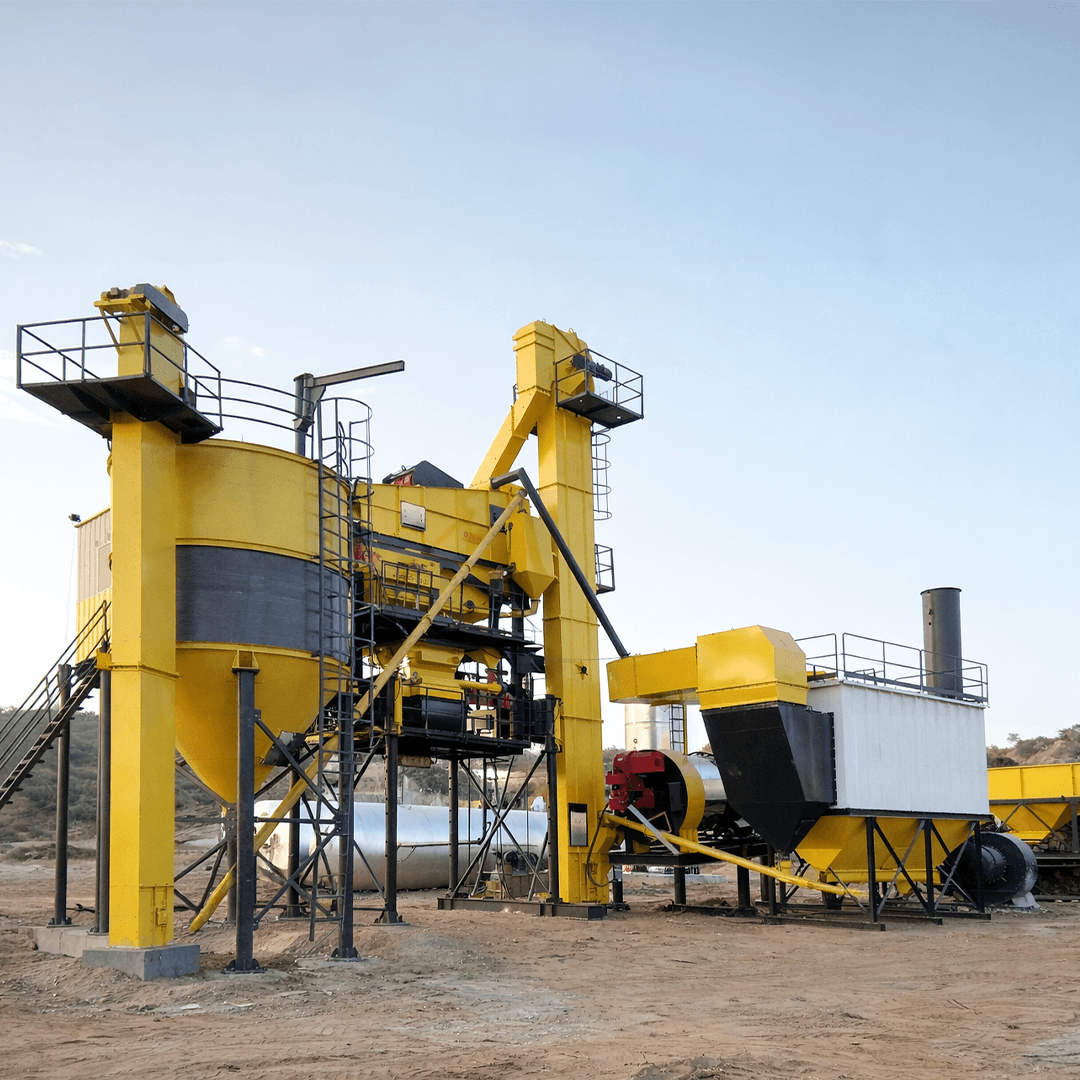
A mid-sized contracting firm might handle 3-4 road projects per year across different locations. Each project lasts 6-10 months. Instead of depending on local suppliers (who may or may not exist in every location), the contractor invests in an easy-to-relocate asphalt mix plant.
Let's see if it moves:
- Project 1 in Maharashtra: You install the portable asphalt plant in Maharashtra that could produce 20,000 tons over 8 months, and complete the project.
- Project 2 in Gujarat: For a new project, simply dismantle the portable plant from Maharashtra and transport (typically 3-5 days), reinstall (typically 5-7 days), and start production in Gujarat.
The same portable asphalt mix plant serves multiple contracts, spreading the investment across several projects. This is fundamentally different from stationary plants that remain idle between projects or require continuous feeding of work to justify their existence.
5. Lower Barrier to Entry for Growing Contractors
For contractors looking to expand from subcontracting into primary contracting, equipment ownership becomes a competitive advantage.
Bidding on government tenders or large private contracts often requires demonstrating equipment ownership or guaranteed access to production capacity. A contractor who can state “we own a 60 TPH portable hot mix asphalt plant” has a stronger bid position than one dependent entirely on third-party suppliers.
The investment required for portable plants (typically 30-60% less than equivalent stationary plants) makes this achievable for growing contractors who couldn't justify the cost of permanent infrastructure.
Real-World Applications: Where Portable Plants Excel
District and Rural Road Projects
These projects epitomize the portable plant use case. They're typically:
- 15-40 kilometers in length
- Located in areas without existing asphalt plants nearby
- Required to be completed within 6-12 months
- Budgeted at levels where production cost control is critical
A 40-60 TPH portable asphalt plant can handle the production requirements comfortably while providing the mobility to relocate once the project is completed.
Airport Taxiway and Apron Rehabilitation
Airport projects have unique constraints. Work often happens during night shifts when flight operations are minimal. Having a portable hot mix asphalt plant on airport premises means:
- Immediate production when the work window opens
- No dependency on external suppliers during restricted hours
- Quality control over specialized mixes required for aviation applications
Industrial Estate Internal Roads
When an industrial park develops internal road networks, the total asphalt requirement might be 8,000-15,000 tons spread over 4-6 months. Hauling from distant plants increases costs. A portable plant set up within the estate boundaries serves the project efficiently.
Urban Road Widening and Improvement Projects
City road improvement projects face additional complexity; work happens in phases, often during night hours, with strict timelines to minimize traffic disruption. Portable asphalt plants can be positioned in suitable locations within or near the city to serve these phased requirements without violating urban regulations about permanent industrial installations.
Need Help Selecting the Right Capacity for Your Project?
Our engineering team can help you match the capacity of the mobile asphalt plant to your specific project requirements.
What to Consider Before Choosing a Portable Plant
1. Actual Portability Requirements
“Portable” doesn't always mean the same thing. Some key questions:
- How many times will you relocate the plant during its working life?
- What's the typical distance between project sites?
- Do you have suitable transportation equipment (trailers, cranes)?
- What's the installation time you can afford between projects?
Some portable asphalt mix plants are designed for relocation 2-3 times per year. Others are engineered for more frequent moves. Understanding your actual mobility needs prevents paying for portability features you won't use.
2. Local Regulations and Setup Requirements
Even portable plants need:
- Temporary environmental clearances
- Pollution control equipment (especially in urban areas)
- Adequate space for aggregate storage, bitumen tanks, and finished product storage
- Access to water and electricity (though many modern plants include diesel generators)
Before committing to a portable plant strategy, verify that typical project sites can accommodate the setup requirements.
3. Fuel and Operating Cost Efficiency
Portable doesn't mean less efficient. Modern portable hot mix asphalt plants incorporate high-efficiency burners and insulated drums that match the fuel efficiency of stationary plants.
4. After-Sales Support and Spare Parts
This aspect often gets overlooked during purchase decisions, but becomes critical during operations.
Key questions to ask:
- Where are spare parts stocked? (Local vs. imported)
- What's the typical delivery time for wear components like burner nozzles, mixer blades, or belt conveyors?
- Is technical support available by phone, or does someone need to visit the site?
- How many service engineers does the manufacturer have, and where are they located?
A portable asphalt plant breaking down for a week due to unavailable spare parts eliminates the very advantages you purchased it for.
The Future: Technology Integration in Portable Plants
Modern portable hot mix asphalt plants are incorporating technologies that were once exclusive to large stationary installations:
- Automated controls allow single-operator management of entire production cycles, reducing labor costs.
- RAP (Reclaimed Asphalt Pavement) systems enable the use of recycled materials, cutting costs and meeting sustainability requirements.
- Remote monitoring lets project managers or owners check plant performance, production volumes, and fuel consumption from anywhere via mobile apps.
- Improved fuel efficiency through better insulation and burner technology reduces operating costs, a critical factor for small to medium projects where margins are tight.
These improvements make portable plants increasingly competitive, not just on mobility, but on total operating economics.
Explore Portable Asphalt Plant Options for Your Projects
Atlas Technologies has been manufacturing portable asphalt mix plants for 35+ years, with 2,500+ installations across 50+ countries.
Conclusion: The Right Tool for the Right Job
Portable asphalt plants aren't the solution for every project. Large highway construction with multi-year timelines and production volumes exceeding 200,000 tons still justifies stationary installations.
But for the vast number of small to medium-sized projects (district roads, rural connectivity, urban improvements, airport maintenance, industrial estates), mobile asphalt mix plants solve real problems:
- They put production where the project is, not where geography dictated decades ago.
- They give contractors control over costs, quality, and schedules instead of dependency on third-party suppliers.
- They allow growing contractors to build competitive advantages without the capital intensity of permanent infrastructure.
For contractors evaluating their next equipment investment, the question isn't whether portable asphalt mix plants can do the job. It's whether your specific project profile, growth plans, and competitive strategy align with what portability offers.
Frequently asked questions.
What defines a portable hot mix plant for small to medium projects?
+What is the capacity range of a small scale asphalt plant from Atlas?
+How does a portable asphalt plant save on project costs?
+Is the mix quality from a portable plant comparable to larger stationary plants?
+What type of maintenance is required for compact asphalt mixers?
+Can these plants be easily shipped internationally?
+
CPCB Compliance for Asphalt Plants...
CPCB compliance for asphalt plants in India is now directly...
Hot Mix Plant: Batch Mix,...
Compare hot mix plant configurations — batch mix, drum mix,...

Mobile Asphalt Plant Price in...
Understand what determines mobile asphalt plant price in India, including...
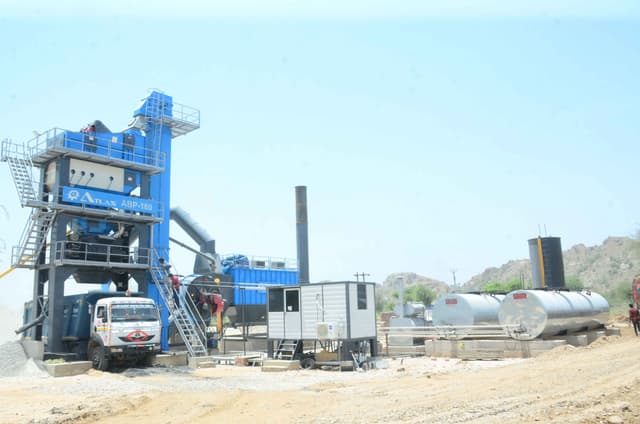
160 TPH Asphalt Batch Mix...
Atlas delivered and commissioned a 160 TPH asphalt batch mix...