

Wet Mix Plants: Essential Machinery for Strong and Durable Roads
Mar 30, 2026
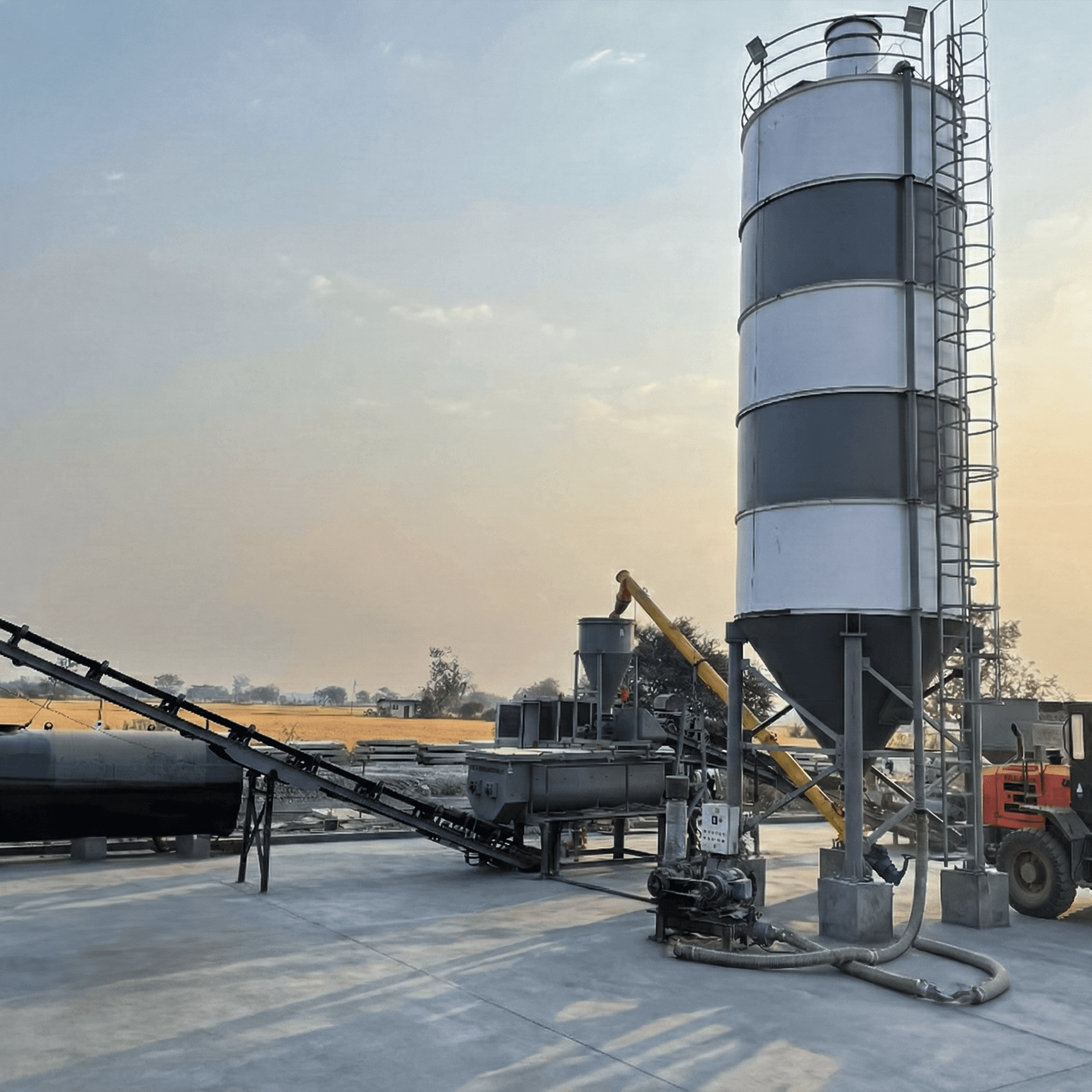
Even premium asphalt deteriorates quickly without a strong base layer beneath it. This is where a wet mix plant becomes an essential piece of equipment in road pavement projects. By delivering a consistent blend of aggregates and water, the plant ensures that the Wet Mix Macadam (WMM) layer forms a strong and durable base for the pavement above.
For contractors and infrastructure developers, the choice of the wet mix batching plant decides the road quality, construction timelines, and long-term pavement performance.
This article explains the role of wet mix plants in road construction, how they work, and why they remain essential machinery for building durable road networks.
What Is a Wet Mix Plant?
A wet mix plant is road construction machinery designed to mix aggregates with water in controlled proportions to produce Wet Mix Macadam. The plant ensures uniform blending of materials before the mixture is transported to the paving site.
Modern plants automate the mixing process, ensuring that aggregate gradation and moisture content remain consistent throughout production. This consistency is essential because variations in moisture or aggregate size distribution can reduce compaction quality and weaken the road base.
Contractors working with an experienced wet mix plant manufacturer in India can produce WMM efficiently for a wide range of infrastructure projects, including highways, airport runways, and urban road networks.
Where Wet Mix Macadam Fits in Road Construction
Road pavements are built in multiple structural layers, each designed to perform a specific role in supporting traffic loads and maintaining long-term pavement stability.
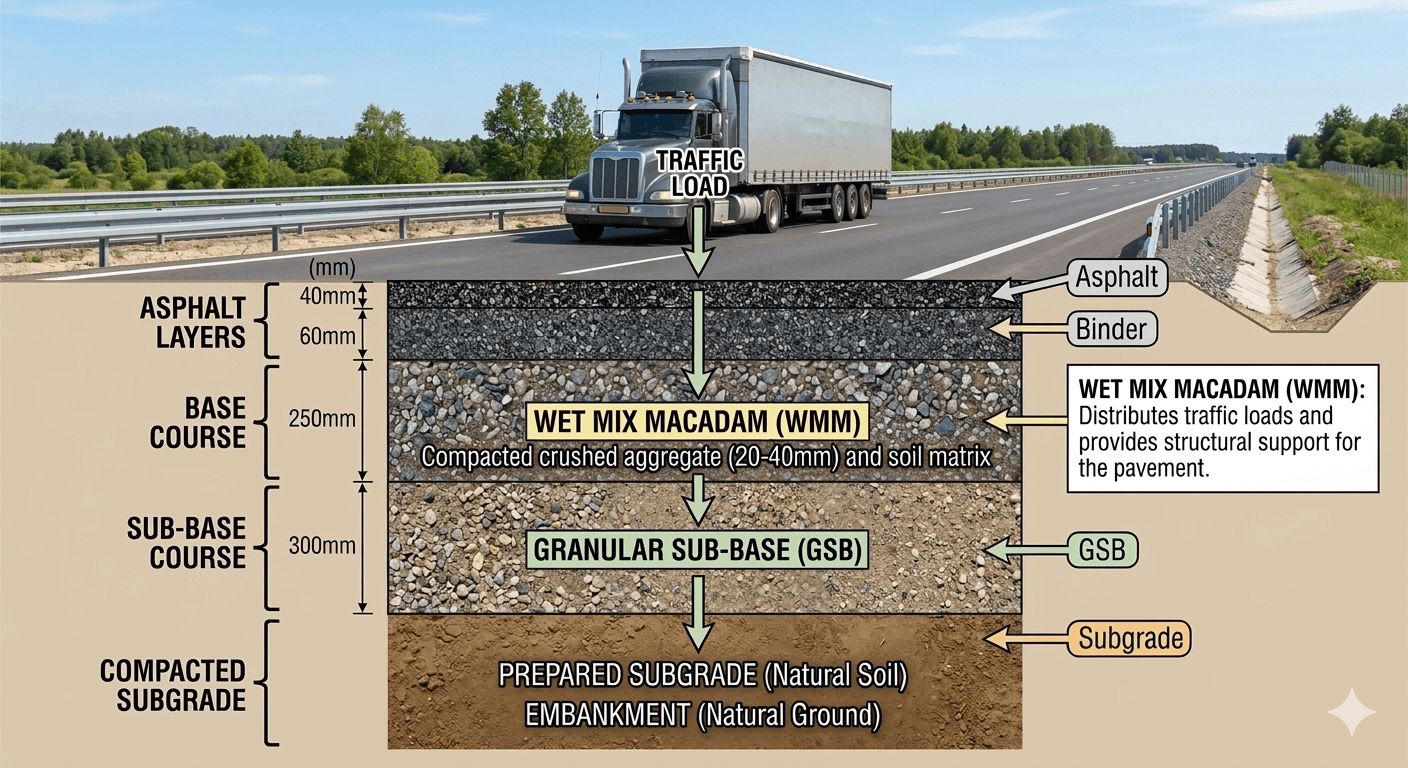
A typical pavement structure includes:
| Pavement Layer | Function |
|---|---|
| Subgrade (Bottom-most) | Prepared natural soil supporting the pavement structure |
| Sub-base | Initial load distribution (when required) |
| Wet Mix Macadam (WMM) | Primary structural layer (base course) distributing traffic loads |
| Bituminous Layers (Top-most) | Asphalt surface designed for traffic movement |
The WMM layer plays a critical role in distributing loads across the pavement structure and preventing deformation of the upper layers. A reliable wet mix batching plant ensures that the aggregates used in this layer are mixed with the correct gradation and moisture content for optimal compaction.
How a Wet Mix Batching Plant Works
Although plant configurations vary depending on capacity and design, most wet mix batching plants operate through a similar sequence of processes.
Aggregate Feeding
Aggregates of different sizes are stored in separate feeder bins. These materials are released in controlled quantities to achieve the required gradation for the WMM mix.
Conveying and Mixing
Aggregates are transferred through conveyor belts into a mixing unit where water is added. The mixing system ensures that all aggregates are evenly coated with water to achieve the required moisture content.
Continuous Production
A modern wet mix batching plant operates in a continuous production cycle, allowing contractors to produce large volumes of WMM efficiently. The mixed material is discharged and transported to the road construction site for spreading and compaction.
This mechanized process improves productivity and ensures that the WMM layer meets construction specifications.
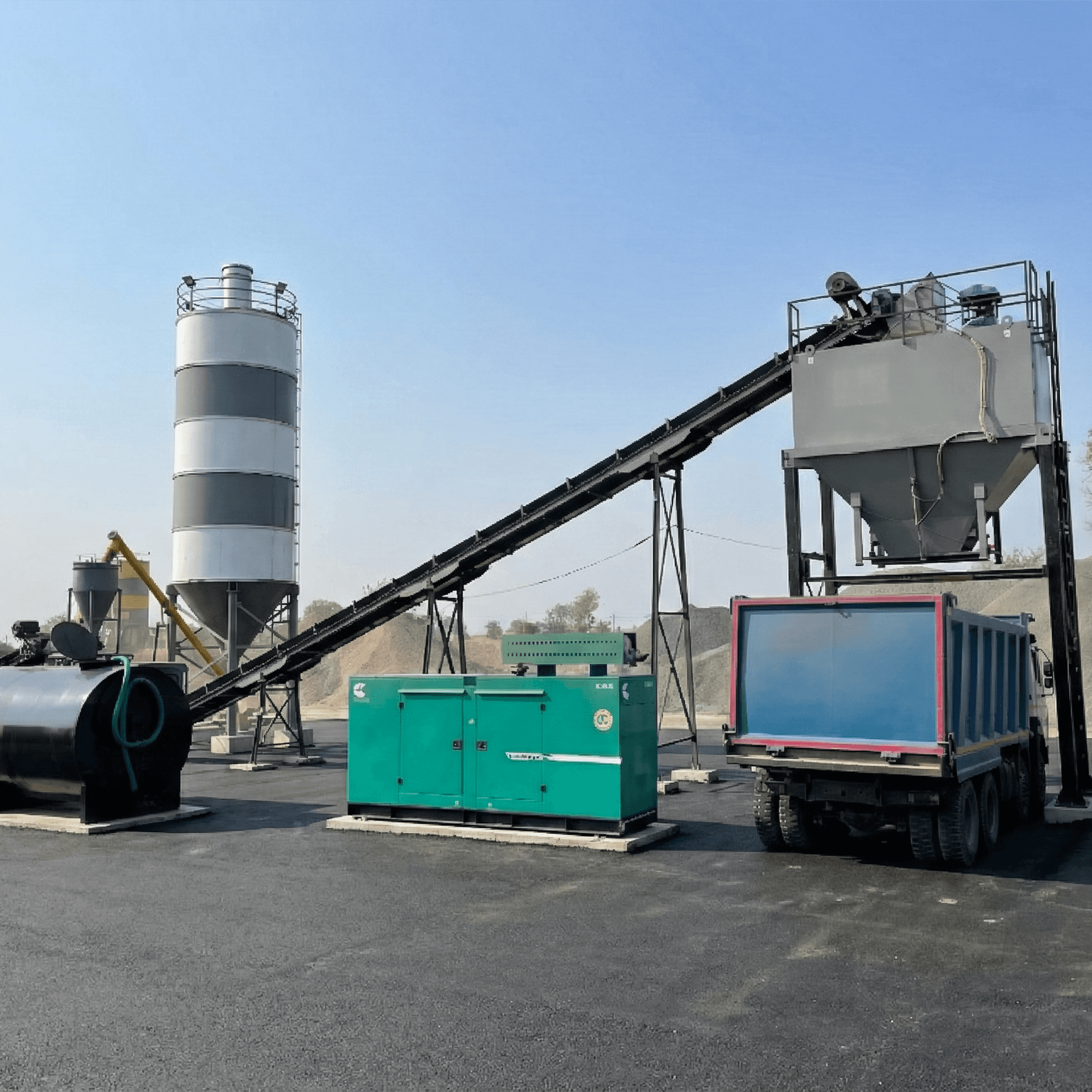
Key Components of a Wet Mix Plant
A well-designed wet mix batching plant includes several components that ensure reliable and consistent production.
Aggregate Feeder Bins
Multiple bins store aggregates of different sizes and regulate the mix proportions.
Conveyor Belts
Conveyors weigh and transport aggregates efficiently from the feeders to the mixing unit.
Mixing Unit
The mixing chamber blends aggregates and water uniformly to produce Wet Mix Macadam.
Water Dosing System
This system regulates moisture addition to achieve the Optimum Moisture Content (OMC) required for proper compaction.
Control Panel
Modern plants include automated control panels that monitor material flow, water dosing, and plant output.
These integrated components allow contractors to produce consistent WMM material for road base construction.
Advantages of Using Wet Mix Plants in Road Construction
The widespread adoption of wet mix plants in infrastructure projects is driven by several operational advantages.
Consistent Material Mixing
A wet mix batching plant ensures uniform blending of aggregates and water, reducing segregation and improving compaction quality.
Faster Construction
Mechanized mixing significantly increases production capacity compared to traditional site mixing methods.
Stronger Pavement Foundation
Uniformly mixed aggregates form a dense and stable base layer that improves load distribution across the pavement.
Reduced Material Waste
Automated material feeding systems reduce wastage and improve efficiency on large projects.
Higher Productivity
Continuous production capability allows wet mix plants to meet the high material demands of highway and infrastructure construction.
Planning A Highway Or Infrastructure Project Requiring WMM Production?
Atlas Technologies offers wet mix plants in capacities ranging from 100 TPH to 300 TPH, designed for reliable performance across diverse project conditions.
Wet Mix Macadam vs Water Bound Macadam
Wet Mix Macadam (WMM) replaced traditional Water Bound Macadam (WBM) in many road construction projects because it offers improved strength and faster construction. As the mix is produced in a precision-focused and sensitively controlled wet mix batching plant, WMM provides better control over aggregate gradation and moisture levels, resulting in a stronger road base.
Here are some key differences between Water Bound Macadam and Wet Mix Macadam for understanding why the latter is preferred these days.
| Feature | WBM | WMM |
|---|---|---|
| Mixing Method | Manual mixing on site | Mechanical mixing in a wet mix batching plant |
| Construction Speed | Slower | Faster |
| Moisture Control | Difficult to control | Precisely controlled |
| Compaction Quality | Inconsistent | Uniform compaction |
| Durability | Lower | Higher |
Choosing the Right Wet Mix Plant Capacity
Selecting the correct plant capacity ensures that contractors can meet daily material requirements without slowing down paving operations.
Wet mix plants are available in various production capacities depending on the scale of the construction project. Atlas Technologies manufactures a complete range of WMM plants to match different project requirements.
| Plant Model | Capacity | Hopper Capacity | Typical Application |
|---|---|---|---|
| WM-100 | 100 TPH | Surge hopper | Rural road construction and small-scale projects |
| WM-160 | 160 TPH | 10 Tons | State highways and medium infrastructure projects |
| WM-200 | 200 TPH | 25 Tons | National highways and airport infrastructure |
| WM-250 | 250 TPH | 30 Tons | Large expressway projects and high-volume production |
| WM-300 | 300 TPH | 35 Tons | Major highway networks and continuous high-capacity production |
Building Durable Roads with Reliable Wet Mix Plants
Strong roads depend not only on surface materials but also on the stability of the layers beneath them. The Wet Mix Macadam base layer plays a critical role in supporting traffic loads and maintaining pavement durability.
A reliable wet mix plant ensures that aggregates and water are blended consistently to produce high-quality WMM material for road construction.
For contractors and infrastructure developers, investing in efficient wet mix batching plants improves productivity, enhances pavement strength, and supports the construction of durable road networks.
Get Consistent WMM with the Wet Mix Plants
If you are planning a highway project, rural road development program, or large infrastructure project, our team can help you determine the right plant configuration for your operations.
Frequently asked questions.
What is the primary role of a Wet Mix Plant in road construction?
+Why is Atlas considered a preferred WMM plant manufacturer?
+How does soil stabilization equipment improve road longevity?
+What are the key components of a high-quality Wet Mix Macadam plant?
+What is the production capacity of Atlas WMM plants?
+Is it possible to use different types of additives in a Wet Mix Plant?
+
Road Sweeper Machine vs Hydraulic...
Learn the difference between mechanical road sweepers and hydraulic broomers...
Batching Plant: What It Is,...
A batching plant measures, proportions, and processes raw materials according...
CPCB Compliance for Asphalt Plants...
CPCB compliance for asphalt plants in India is now directly...
Hot Mix Plant: Batch Mix,...
Compare hot mix plant configurations — batch mix, drum mix,...