

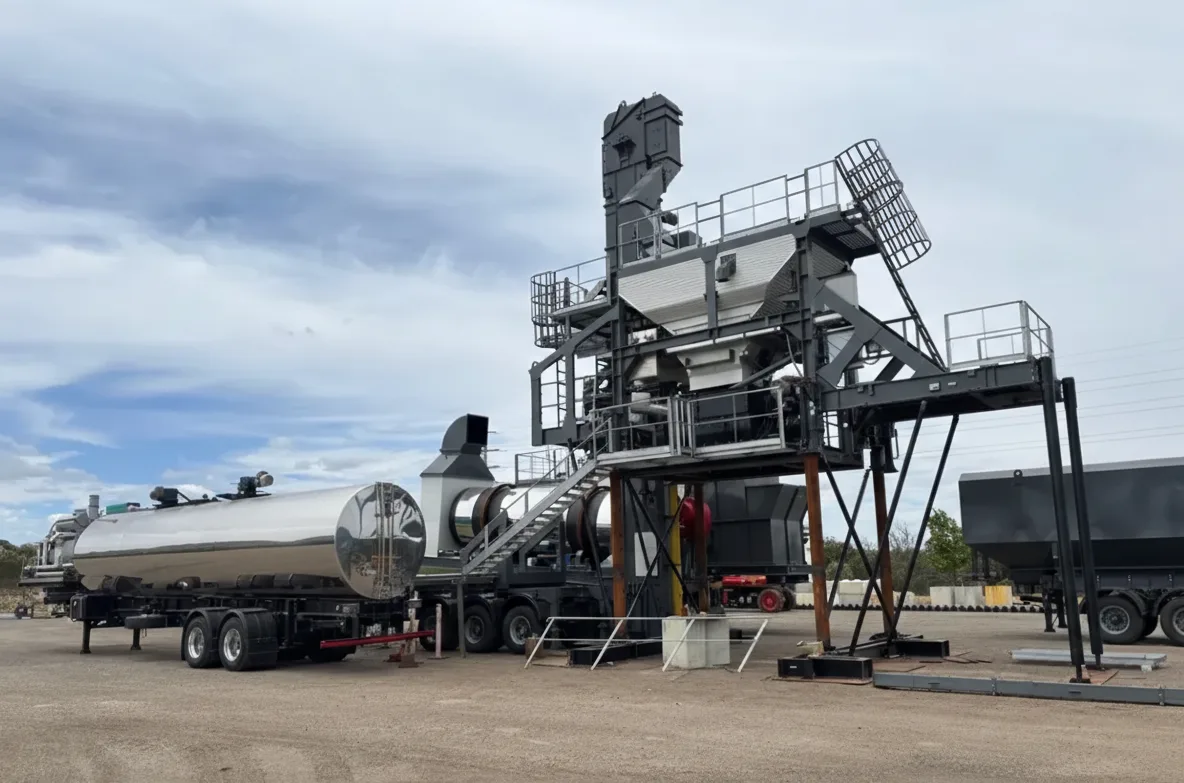
Buying an asphalt plant from overseas is a bigger decision than comparing plant capacities and purchase prices.
For a road contractor, the equipment must still arrive on schedule, meet the project’s operating requirements, clear import and biosecurity processes, suit local power and fuel arrangements, and remain supportable once production begins.
That is particularly important when the plant is being sourced from India. A lower purchase price can be attractive, but it only becomes a good investment when the plant is specified correctly for Australian conditions, and the manufacturer understands what needs to happen before, during and after delivery.
This guide covers what Australian contractors should look for when sourcing an asphalt mixing plant and other road construction equipment from India.
Australian Road Work Continues to Support Equipment Investment
Road contractors are still operating within a substantial pipeline of construction, maintenance and upgrade work across Australia.
The Australian Government’s 2026–27 Budget also maintains a rolling infrastructure pipeline of more than $120 billion over ten years, including over $8.6 billion for new and ongoing nationally significant projects.
For contractors, that opportunity does not automatically mean buying the biggest available plant.
In fact, the road construction equipment that contractors procure needs to suit the work you expect to do.
The work can be highway upgrades, regional roads, local road maintenance, heavy vehicle routes or projects spread across different locations
What Australian Contractors Need from an Asphalt Plant
Australian projects can place different demands on asphalt production depending on location, project duration, mix requirements and logistics.
A contractor operating from a permanent production site will have different priorities from one moving between regional projects. The same applies to contractors supplying high-volume highway work and those producing for smaller or intermittent paving programmes.
Before selecting an asphalt manufacturing plant, you should clarify the main requirements.
Production Capacity That Matches the Paving Programme
Select plant capacity around the expected rate of asphalt consumption, not simply the highest available output.
The production rate needs to work with:
- The paving programme
- Truck availability and turnaround time
- Distance between the plant and paving site
- Expected daily production hours
- Storage requirements
- Peak project demand
A plant producing more mix than the paving operation can receive creates one set of problems. Insufficient production can interrupt paving and affect the working schedule.
The aim is to match plant output with the wider operation.
The Right Plant Configuration
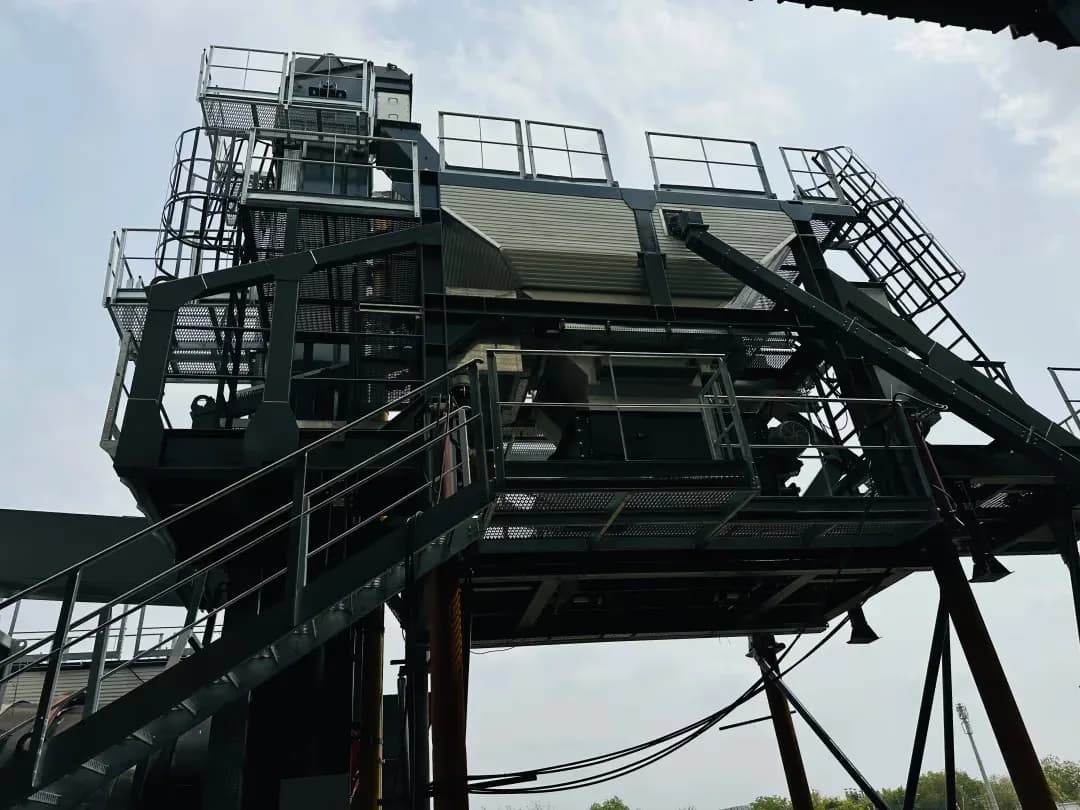
Australian contractors may consider different plant configurations depending on how and where they work.
A continuous asphalt plant Australia setup can suit contractors looking for continuous production for regular, high-volume road work. An asphalt batching plant provides individual batch production and greater flexibility where mix recipes and production control are important.
A mobile asphalt plant may be more suitable for contractors moving between project locations and looking to reduce the time and effort associated with establishing a new production site.
The configuration should follow the project model, not the other way around.
Practical Mobility for Regional Work
Mobility is particularly relevant where projects are geographically dispersed.
Assess a mobile plant beyond the label “mobile asphalt plant”. Contractors should ask:
- How many transportable modules are involved?
- What are the dimensions and weights of individual components?
- What site preparation is required?
- How long does installation take?
- What is involved in dismantling and restarting production?
This is also important when moving oversized equipment on Australian roads. Depending on the load and transport arrangement, oversized or overmass movements can require specific access arrangements and permits.
For contractors searching for a mobile asphalt plant in Perth or in other regional locations, transport planning should therefore be part of the original equipment specification.
Equipment That Fits the Complete Road Operation
The asphalt plant is one part of the production and paving chain.
The operation may also involve:
- Aggregate handling
- Bitumen storage and heating
- Asphalt transport
- Paving equipment
- Compaction equipment
- Surface preparation equipment
- A bitumen sprayer for prime or tack coat applications
The production plant should be planned around the wider operation’s capacity.
Increasing plant output adds little value if truck movement, paving capacity, or site logistics cannot keep up.
Why Source Asphalt Plant Equipment from India?
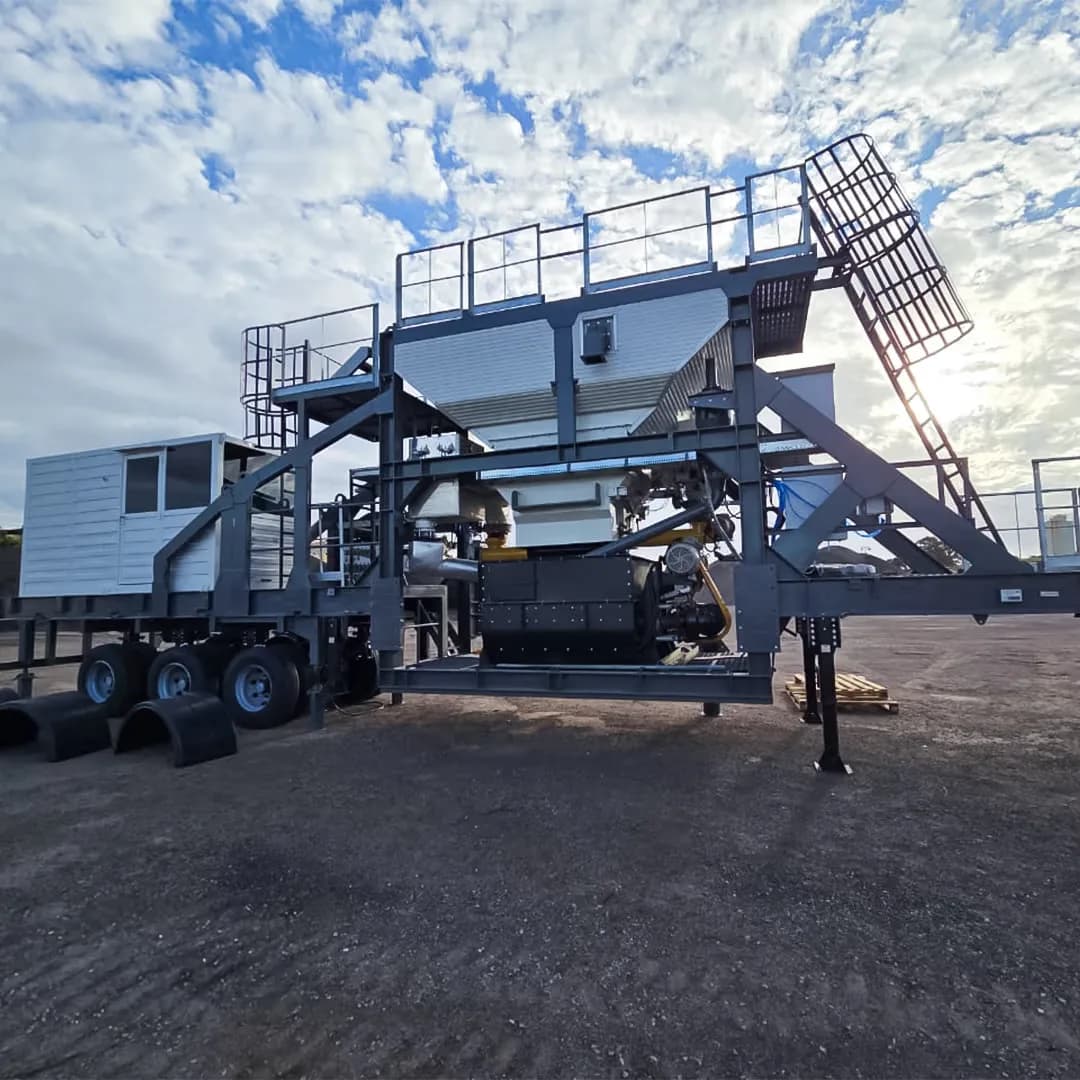
India has a large and established road construction equipment manufacturing sector, with manufacturers supplying domestic infrastructure projects as well as export markets.
For Australian buyers, sourcing from India can offer several practical advantages when the supplier has genuine export experience and can configure the equipment for the destination market.
Competitive Manufacturing Costs
India’s manufacturing base can offer contractors access to purpose-built asphalt plant equipment that Australian buyers may find commercially attractive compared with some locally manufactured or imported alternatives.
However, the comparison should not stop at the initial plant price.
The delivered cost should include:
- Freight
- Port and handling costs
- Customs and import requirements
- Site transport
- Installation
- Commissioning
- Local support arrangements
- Spare parts
The useful comparison is the total cost of putting the plant into operation.
Export-Oriented Plant Configuration
An export project requires more planning than supplying equipment to a domestic customer.
The plant may need to be configured around:
- Shipping limitations
- Containerisation or break-bulk transport
- Australian electrical requirements
- Local fuel availability
- Site conditions
- Transport dimensions
- Installation requirements
The supplier should be able to address these requirements before the equipment enters production.
Access to Established Asphalt Plant Manufacturing Capability
Indian manufacturers build equipment across multiple capacity ranges and configurations, including:
- Stationary asphalt plants
- Mobile asphalt plants
- Continuous asphalt plants
- Batch mix plants
- Bitumen handling equipment
- Related road construction equipment
This gives contractors the option to specify equipment around their operating model rather than selecting only from standard locally available configurations.
Manufacturer quality and the export process remain critical. Buying internationally works only when the supplier can provide clear engineering documentation, reliable project coordination, and post-delivery support.
Key Specifications to Verify Before Purchasing
Before buying an asphalt plant for sale from India, Australian contractors should verify the specifications in detail.
A proposal should describe the actual equipment being supplied, not simply provide a general catalogue capacity.
1. Production Capacity and Plant Type
Confirm:
- Rated output in tonnes per hour
- Actual operating conditions used for the rating
- Continuous or batch production
- Expected aggregate moisture assumptions
- Burner and heating system configuration
- Storage and silo capacity
A capacity figure alone does not explain how the plant will perform under every site condition.
2. Electrical System and Controls
Discuss the electrical system early in the project.
Confirm:
- Supply voltage
- Frequency
- Phase requirements
- Motor specifications
- Control panel configuration
- Electrical component brands
- Documentation required for installation and servicing
The government also has specific electrical safety requirements and applicable Australian or AS/NZS standards depending on the equipment and components involved.
The manufacturer and buyer should agree on the required electrical configuration before fabrication begins.
3. Fuel and Heating Requirements
The plant should be configured around the fuel available and practical for the operating location.
Confirm:
- Burner fuel type
- Fuel consumption data
- Heating system configuration
- Bitumen tank heating requirements
- Fuel storage arrangements
These details affect both plant design and ongoing operating costs.
4. Aggregate and Mix Requirements
The plant should suit the materials and asphalt mixes expected on the project.
Discuss:
- Aggregate sizes
- Moisture conditions
- Required screening
- Filler requirements
- Bitumen handling
- Mix recipes
- Future mix flexibility
If recycled asphalt pavement or other specific materials are expected, discuss them during the engineering stage rather than as an afterthought.
5. Transport Dimensions and Site Access
For a mobile asphalt plant, specify transportability component by component.
Verify:
- Module dimensions
- Individual transport weights
- Number of loads
- Required trailers
- Oversize transport requirements
- Site access constraints
This is particularly important for regional and remote projects where equipment may travel long distances after arriving in Australia.
6. Biosecurity Preparation Before Shipping
Buyers should not leave this until the equipment is ready to ship.
The Australian government has strict biosecurity requirements for imported machinery.
Machinery must arrive free from contamination such as soil, seeds and plant or animal material. Contaminated equipment may require cleaning or treatment, and heavily contaminated machinery can be directed for export at the importer’s or owner’s expense.
Machinery that is classified as new may still be affected by biosecurity requirements if it has been field-tested or exposed to contamination before shipping.
The Indian manufacturer must manage equipment cleaning, storage, and loading conditions as part of the export process.
Meanwhile, for the Australian buyer, it means asking the supplier exactly how the equipment will be prepared before shipment.
7. Installation, Commissioning and Support
An overseas purchase should come with a clear plan for what happens after the plant reaches Australia.
Confirm:
- Scope of supply
- Installation responsibilities
- Civil foundation requirements
- Commissioning support
- Operator training
- Electrical and mechanical documentation
- Spare parts package
- Ongoing technical support
Agree on these details before placing the order.
A Better Way to Compare Suppliers
When comparing asphalt batching plant suppliers in Australia, contractors should look beyond the machine’s capacity and quoted price.
Ask each supplier the same practical questions:
| What to Compare | What You Should Know |
|---|---|
| Plant configuration | Is the equipment suited to your project type and production requirements? |
| Capacity | What conditions are used to determine the rated output? |
| Electrical system | Can it be configured for the Australian installation requirements? |
| Transport | How many loads are required and what are the dimensions of each module? |
| Export preparation | How will the equipment be cleaned, packed and prepared for Australian biosecurity requirements? |
| Installation | What site preparation and assembly work is required? |
| Commissioning | Who will support startup and production trials? |
| Spare parts | Which critical spares are included and how will future parts be supplied? |
| Technical support | Who provides support after commissioning? |
| Documentation | What drawings, manuals and technical documents are supplied? |
A supplier that answers these questions clearly is easier to assess than one that provides only a brochure and capacity figure.
Why Export Experience Matters
International equipment supply has its own set of engineering and logistical requirements.
Atlas Technologies manufactures asphalt plants and related road construction equipment in India and supplies equipment for domestic and international projects.
Our product range includes asphalt batch mix plants, mobile asphalt plants, drum mix plants, bitumen handling equipment and other machinery used across road construction operations.
For Australian projects, Atlas Technologies starts by understanding the contractor’s operating requirements.
This includes:
- Required production capacity
- Project location
- Mobility requirements
- Available power and fuel
- Aggregate and mix requirements
- Transport planning
- Installation conditions
- Support expectations
Atlas Technologies can configure an asphalt plant around these requirements and work with buyers on export planning, equipment configuration and project-specific supply requirements.
Also read: MABP-120 Mobile Asphalt Batching Plant (from Atlas Technologies to Australia) .
Author’s Note
Atlas Technologies Pvt. Ltd. is a road construction equipment manufacturer based in Mehsana, Gujarat, India. Founded in 1986, the company designs and manufactures asphalt batch mix plants, drum mix plants, counter flow plants, wet mix macadam plants, concrete batching plants and road machinery for highway contractors, infrastructure developers and export buyers worldwide.
With over 2,500 installations across 50+ countries and 38 years of manufacturing experience, Atlas Technologies serves projects ranging from national highway construction in India to remote island deployments and large-scale export contracts across Africa, Southeast Asia, the Middle East, East Europe and Oceania Countries.
www.atlastechnologiesindia.com

Mr. Nilesh Patel
Managing Director
Specify the Right Plant Before You Buy
Atlas Technologies can help you assess the right plant capacity, configuration, mobility and export requirements for your Australian road project.
GET PLANT SPECIFICATIONS →Frequently asked
questions.
Asphalt Plant Equipment for Australian...
A practical guide for Australian road contractors on specifying, comparing...
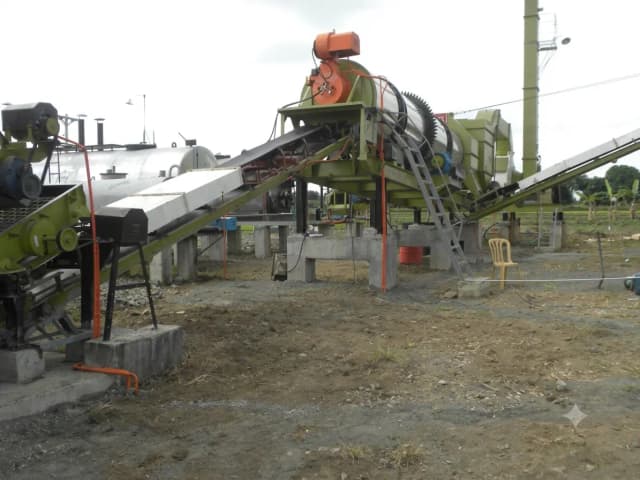
Dambar Plant vs Drum Mix...
A dambar plant is the commonly used Indian term for...
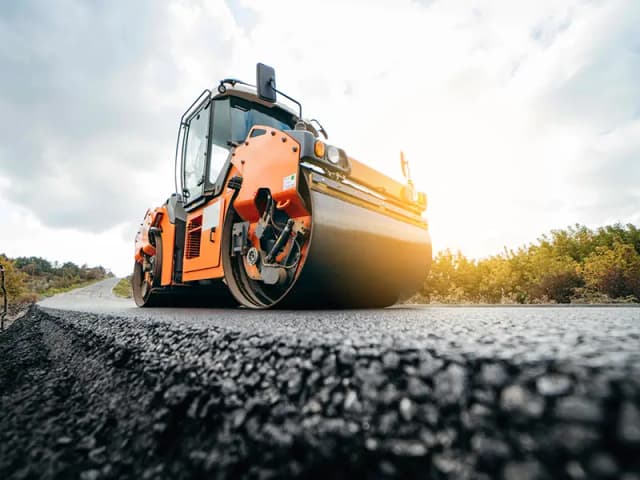
India Asphalt Pavers Market: Growth,...
India's asphalt pavers market is growing, but equipment decisions shouldn't...
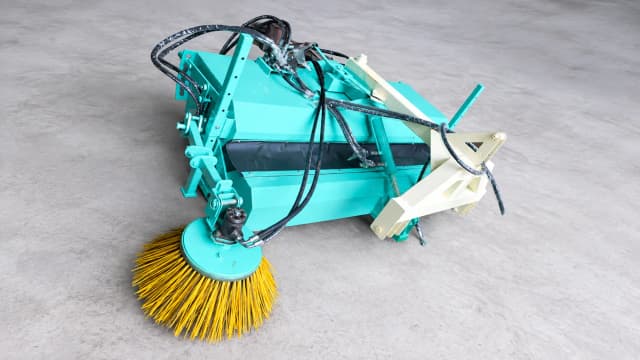
Road Sweeper Machine vs Hydraulic...
Learn the difference between mechanical road sweepers and hydraulic broomers...