

Drum Decanter (Customizable)
4–10 TPH | 27–60 Barrels | 9–25 Tons
Atlas Drum Decanters are built for contractors who require flexible, high-efficiency bitumen melting across varied project sizes. With customizable capacities ranging from 4 TPH to 10 TPH, these units safely convert drummed bitumen into liquid form using indirect thermic-oil heating, providing consistent binder quality and energy-efficient performance....
Read More


Atlas Drum Decanter: Versatile Bitumen Melting for Projects of Every Scale

Key Features & Benefits
Engineered for Safe and Consistent Performance
Flexible Capacity Range
Available in 4 TPH, 6 TPH, 8 TPH, and 10 TPH variants, accommodating 27–60 drums per batch and 9–25 tons of storage. Ideal for small contractors and large plant operators alike.
Indirect Heating with Thermic-Oil System
Three-pass oil circulation ensures even melting and prevents bitumen degradation by eliminating direct flame contact. Maintains stable viscosity throughout operation.
Hydraulic Handling for Ease and Safety
Hydraulic lifts enable smooth loading and unloading of drums with minimal manual intervention, ensuring operator safety and steady throughput.
Modular Design & Smart Integration
Compact skid-mounted units integrate seamlessly with asphalt plants, binder storage systems, or bitumen tankers, thereby providing easy mobility and low maintenance.
Why Choose Atlas Drum Decanter
The Atlas Drum Decanter range is designed to bridge performance and flexibility, suitable for diverse project sizes that require a safe and sustainable bitumen melting solution.

Customizable for Every Operation
With output options from 4 to 10 TPH, the system can be configured for on-site melting or integration with stationary plants, depending on your production demands.

Uniform Melting & Superior Bitumen Quality
Indirect heating maintains precise temperature control, ensuring the bitumen remains pure and free of oxidation throughout the process.

Low Fuel Consumption & Cost Efficiency
High-grade insulation and optimized burner systems reduce fuel usage by up to 10%. Operators can choose diesel, LDO, or gas to match local fuel availability.

Safety-Focused Automation
Auto-level control, hydraulic loading, and pressure-relief valves reduce handling risks and prevent overheating during long operational cycles.

Proven Global Support Network
Atlas offers installation, training, and spare parts support across 50+ countries, backed by local engineering partners for reliable after-sales service.
Components Breakdown
The Atlas Drum Decanter series is built for long service life and steady melting performance under continuous load conditions.
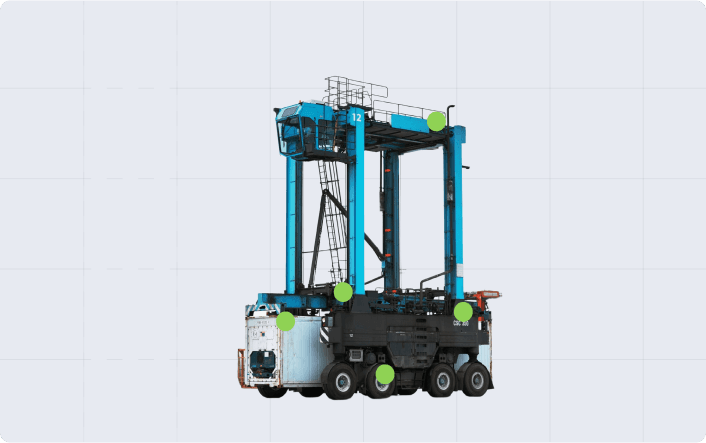
- • Automatic diesel/LDO/gas burner maintains oil temperature at 200–240 °C.
- • Multi-pass coil arrangement ensures rapid heat transfer and fuel efficiency.
Smart Design, Seamless Operation
Browse our range of products designed for exceptional performance and reliability.


CONNECT WITH US
Ready to Build? Let’s Talk!
Whether you’re expanding existing facilities or starting new projects, we’re here to help you achieve optimal results. Complete the form, and our engineers will provide a customized solution within 24 hours.
Frequently asked questions.
1. What makes Atlas Drum Decanters different from traditional melting methods?
+They use indirect thermic-oil heating instead of direct fire, preserving bitumen quality and eliminating open-flame risk.