

Mobile vs Stationary Concrete Batch Plants: Making the Right Decision
Mar 17, 2026
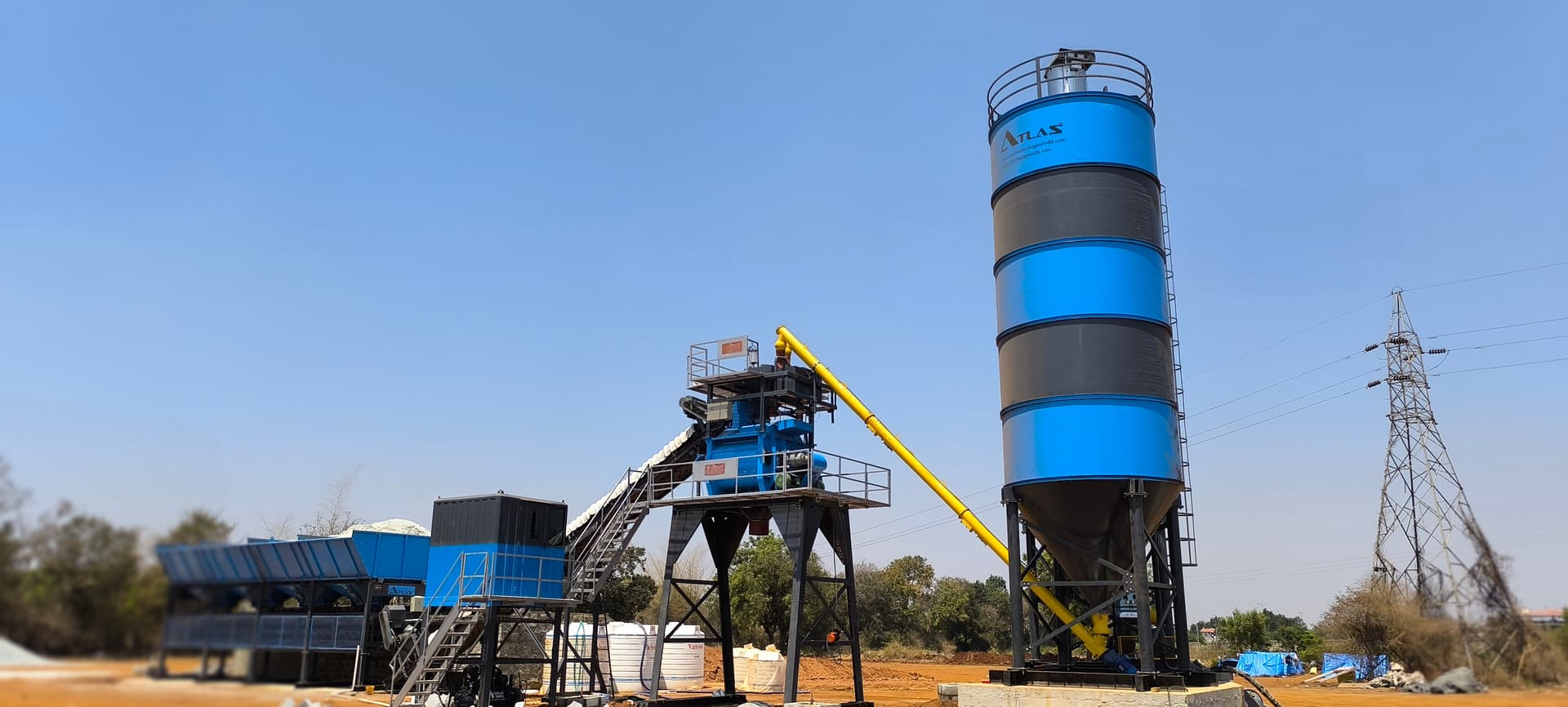
When a contractor begins planning a major construction project, one question quickly becomes central to the entire concrete supply strategy: Will a mobile concrete batching plant or a stationary concrete batching plant be the right choice? The answer depends on the required production volume, project duration, site mobility, and logistical constraints.
For contractors, infrastructure developers, and project managers, choosing the right batching solution can affect construction timelines, cost efficiency, and long-term operational flexibility.
For a detailed cost and ROI breakdown by city tier, land requirements and compliance, see our complete RMC plant guide for Indian contractors 2026 .
This blog explains the practical differences between mobile and stationary plants and helps contractors select the right solution based on real project requirements.
Understanding Concrete Batching Plants
Concrete batching plants are specialized facilities that combine aggregates, cement, water, and admixtures to produce consistent concrete mixtures for construction projects. These plants are essential for maintaining quality control and ensuring precise material proportions.
Two primary configurations dominate the market today:
- Mobile concrete batching plants , designed for relocation between project sites
- Stationary concrete plants , built for long-term, high-volume production
While both systems perform the same fundamental function, their design philosophy and operational advantages differ significantly.
Contractors working with mobile concrete batch plant manufacturers typically prioritize flexibility and rapid deployment. On the other hand, companies partnering with a stationary concrete plant supplier often require stable, large-scale production for permanent or long-term infrastructure projects.
Evaluating Concrete Batching Plants For Your Project?
Atlas Technologies provides consultation on both mobile concrete batching plants and stationary concrete plant configurations.
What Is a Mobile Concrete Batching Plant?
A mobile concrete batching plant is engineered for portability. The plant components (including aggregate bins, conveyors, mixers, silos and control systems) are mounted on transportable frames or trailer units, allowing the system to be relocated when project requirements change.
Instead of constructing a permanent production facility, contractors can install the plant directly at the project site and move it once the project is completed.
Key characteristics of a mobile concrete plant include:
- Compact modular structure
- Reduced installation requirements
- Faster relocation between sites
- Flexible operation across multiple projects
- Reduction in cost with same output
For many contractors, partnering with a reliable mobile batching plant manufacturer in India enables them to deploy concrete production closer to active construction zones, reducing overall costs, transport delays and improving operational efficiency.
What Is a Stationary Concrete Batching Plant?
A stationary concrete plant is designed for long-term installation at a fixed location. Unlike mobile systems, stationary plants are built on permanent foundations and typically serve projects requiring high daily production volumes over extended periods.
These plants are commonly used in:
- Large infrastructure developments
- Ready-mix concrete facilities
- Long-duration urban construction projects
- Industrial construction sites
Working with a trusted stationary concrete batching plant manufacturer in India allows contractors and developers to establish high-capacity production facilities capable of delivering consistent concrete output for years.
Compared to mobile systems, stationary plants generally offer:
- Higher production capacity
- Greater aggregate storage
- Advanced automation and batching control
- Better scalability for long-term operations
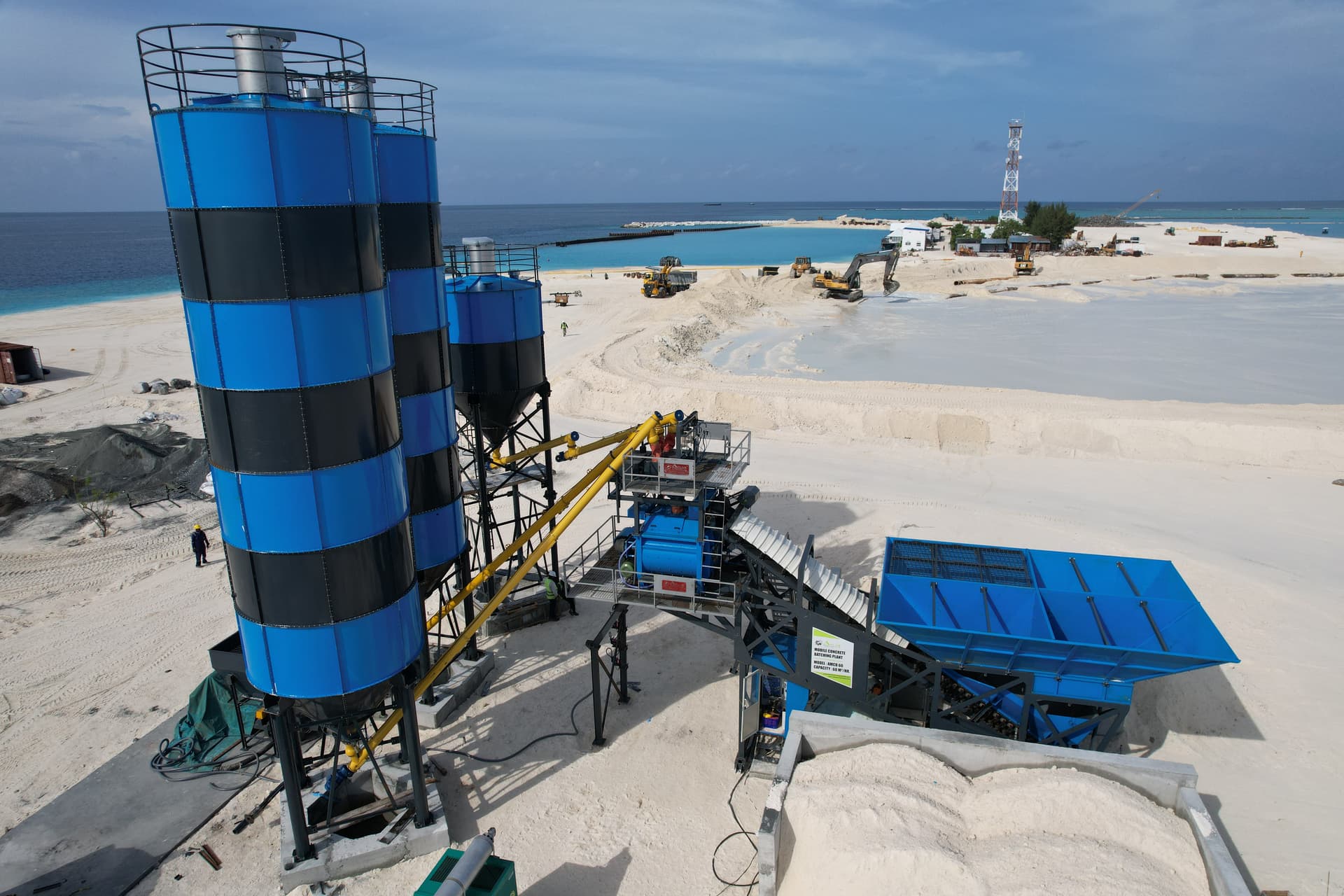
How to Choose Between Mobile and Stationary Concrete Plants?
Although both plant types produce concrete, their operational roles differ significantly. The following comparison helps clarify where each solution performs best.
| Factor | Mobile Concrete Batching Plant | Stationary Concrete Plant |
|---|---|---|
| Mobility | Designed for relocation between projects | Permanently installed |
| Setup Time | Faster installation and commissioning | Requires civil foundations |
| Production Capacity | Moderate output | High-volume production |
| Project Duration | Short to medium-term projects | Long-term or permanent operations |
| Infrastructure Requirements | Minimal civil work | Full structural setup |
The project stakeholders who go with mobile concrete batch plant manufacturers often prioritize operational flexibility. On the other hand, the stationary concrete plant supplier is often the choice of contractors who focus on long-term production capacity.
Choosing the Right Concrete Batching Plant Manufacturer
Selecting the right batching plant configuration is only part of the decision. Choosing an experienced equipment partner is equally important.
Contractors working with reputable mobile batching plant manufacturers in India or stationary concrete batching plant manufacturers in India gain access to equipment designed for demanding construction environments.
Stakeholders often evaluate the options based on:
- Engineering Expertise
- Plant Customization Options
- Installation Support
- Operator Training
- Long-Term Technical Service
If you are planning a new construction project or evaluating concrete production options, the engineering team at Atlas Technologies can help you determine whether a mobile concrete plant or a stationary concrete batching plant is the better fit for your project requirements.
Determine the Right Concrete Batching Plant Configuration for Your Project
We evaluate your production requirements, site conditions, project timelines, and business objectives to recommend optimal plant configurations.
Frequently asked questions.
What is the main difference between mobile and stationary concrete plants?
+Which type of concrete plant is better for large-scale infrastructure projects?
+Is a ready mix concrete plant truly portable?
+How do installation costs compare between mobile and stationary units?
+Can mobile concrete plants produce high-grade structural concrete?
+What should I consider when choosing between the two for a remote project?
+
CPCB Compliance for Asphalt Plants...
CPCB compliance for asphalt plants in India is now directly...
Hot Mix Plant: Batch Mix,...
Compare hot mix plant configurations — batch mix, drum mix,...

Mobile Asphalt Plant Price in...
Understand what determines mobile asphalt plant price in India, including...
160 TPH Asphalt Batch Mix...
Atlas delivered and commissioned a 160 TPH asphalt batch mix...