

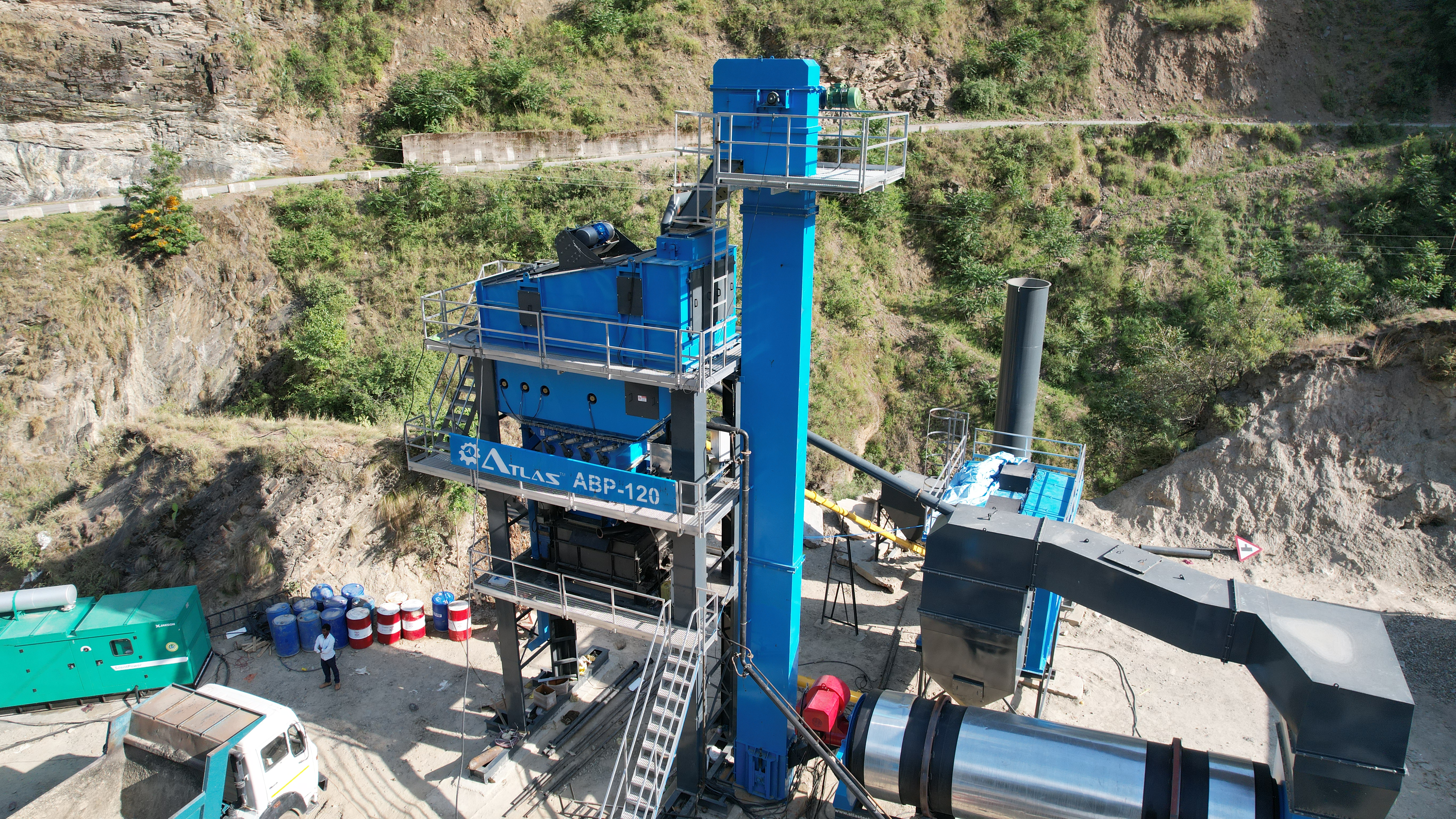
In 2026, the global road construction industry faces rising infrastructure demand alongside shortages of virgin bitumen and quality aggregates. The use of recycled asphalt pavement (RAP) has evolved from an experimental "green" initiative into a core financial strategy.
Recycled asphalt pavement (RAP) mixtures for road construction reduce environmental impact and protect profit margins from raw-material cost increases of 35-40% in some markets. This shift is more than sustainability; it transforms business from 'extract and build' to 'reclaim and rebuild,' reducing cost and market risk.
What Are the Environmental Benefits of Using Reclaimed Asphalt?
Traditional road construction has a significant environmental impact, but RAP technology greatly improves the industry's ecological footprint. Understanding the environmental benefits of reclaimed asphalt helps contractors pursue green tenders and regulatory incentives.
Conservation of Natural Resources
Each ton of RAP used replaces virgin aggregate that would need quarrying. India's road sector uses over 200 million tons annually. Replacing 60% with RAP saves 60 million tons of stone and avoids quarry expansion. RAP contains usable aged binder, which, upon reactivation, reduces crude oil refining and petroleum demand.
Reduction in Landfill Burden
Asphalt is highly recycled. Milled material is reused or sent to a limited landfill space. A typical 10-kilometer highway resurfacing project generates 15,000-20,000 tons of milled asphalt. Diverting this volume from landfills to recycled asphalt pavement mixtures for road construction eliminates disposal costs while creating revenue from what was previously considered waste.
Lower Carbon Footprint
RAP uses less carbon than a virgin mix. An existing binder means less new bitumen is needed. Studies show that substituting 60% RAP reduces greenhouse gas emissions by 15-20% per ton of asphalt. For projects producing 100,000 tons annually, this equals the carbon savings of removing 300-400 vehicles from the road for a year. Sourcing RAP locally cuts hauling distances and diesel use by up to 60% compared to virgin aggregates.
Are You Considering RAP Integration For Your Upcoming Highway Projects?
Atlas Technologies manufactures stationary and portable asphalt plants with RAP-ready configurations that support 30-50% recycled material integration.
CONTACT FOR A RAP FEASIBILITY ASSESSMENT →How to Select High-Quality Recycled Asphalt Pavement for Road Construction
Not all reclaimed material delivers equivalent performance. Maintaining highway specifications requires understanding how to select high-quality recycled asphalt pavement for road construction. Quality assessment begins at the source, the milling or demolition site.
Consistency in Gradation
RAP must be crushed and screened to a uniform size to prevent weak pavement spots. Reputable RAP suppliers meet specified gradation standards. Always request gradation test certificates and check for consistency before accepting RAP.
Binder Content Analysis
The aged bitumen content in RAP determines mixing requirements and the amount of virgin binder or rejuvenator needed. RAP binder content varies by source; airport runway RAP may contain 6-7% binder, while city street RAP averages 4-5%. Lab tests determine binder content and mix needs. Higher binder RAP decreases new bitumen use but may need more rejuvenation; lower binder mixes more easily but needs more virgin material.
Contaminant Screening
High-quality recycled asphalt pavement RAP must remain free from contaminants that compromise pavement performance. Soil, clay, vegetation, and base course material weaken the final mix structure and increase moisture content, complicating drying during production. Reputable RAP processors use screening protocols to remove oversized debris and keep fines contamination below 2-3%. Quality RAP appears uniformly black, without brown soil streaks or green vegetation.
Age and Storage Considerations
RAP stockpiled outdoors for extended periods absorbs moisture and may experience binder oxidation from UV exposure. Fresh RAP milled from road surfaces generally performs better than material stored for multiple years. Contractors should prioritize RAP sources with covered storage or rapid turnover. For aged stockpiles, moisture testing helps determine drying needs during production to prevent steam and mix voids.
Technical Requirements for RAP Integration
Successfully incorporating high percentages of recycled asphalt pavement RAP (30-50%) requires specialized asphalt production equipment. Standard drum mix plants struggle with the moisture content and heating requirements for reactivating aged binder without damaging plant components.
RAP-Ready Plant Configurations
Stationary asphalt plants designed for RAP integration include key features. Parallel RAP feed systems introduce recycled material into pre-heated aggregate, not the flame zone, preventing aged binder combustion, blue smoke, VOC emissions, and binder degradation. Temperature monitoring systems ensure RAP reaches optimal mixing temperatures (typically 120-130°C) without overheating, which can oxidize the binder, making it brittle and reducing pavement flexibility. Advanced dust collection systems manage the increased fines from RAP processing.
Comparison: Virgin Mix vs RAP-Integrated Production
| Feature | 100% Virgin Mix | 30-50% RAP Mix |
|---|---|---|
| Material Cost | Baseline (High) | 30-40% reduction |
| Virgin Bitumen Requirement | 100% new | Reduced by 25-35% |
| Pavement Durability | Standard specification | Equal with proper rejuvenators |
| Production Energy | Baseline | 15-20% increase for drying |
| Tender Competitiveness | Standard eligibility | Preferred for green procurement |
| Mix Design Complexity | Simple | Requires lab testing |
Material cost reductions directly improve project profitability. For a 50,000-ton highway project, 40% RAP integration saves ₹4-6 crore in material costs at current prices. However, the energy cost of drying RAP, which contains 3-5% moisture compared to 1-2% for virgin aggregates, partially offsets these savings. These measures typically result in a 25-30% reduction in total production costs.
Start Integrating RAP Into Your Asphalt Production
Our stationary and mobile plants handle up to 60% RAP content while maintaining mix quality and meeting emission standards.
CONTACT OUR ENGINEERS →Where Can I Buy Recycled Asphalt Pavement Materials?
As RAP use becomes standard, many contractors ask, "Where can I buy recycled asphalt pavement materials near me?" The 2026 circular economy has created diverse RAP supply channels across India's major construction markets.
Municipal and Government Sources
Most city corporations and state highway authorities now stockpile milled asphalt from road rehabilitation projects. Instead of treating this material as waste, municipalities sell it to contractors, generating revenue and supporting sustainable construction. NHAI and state PWD departments often specify RAP availability in highway project tenders, allowing contractors to source material directly from ongoing road works.
Private Milling Contractors
Specialized companies focus exclusively on cold milling and RAP processing. These contractors invest in modern milling machines and crushing equipment to produce specification-grade RAP meeting gradation and quality requirements. Private processors usually operate near major metro areas, where ongoing urban road maintenance ensures a steady RAP supply.
On-Site RAP Production
Large contractors on multi-kilometer highway projects increasingly invest in their own milling and processing equipment. Mobile crushing and screening units process milled material on-site, feeding RAP directly into asphalt plants and minimizing handling and storage. For projects requiring over 100,000 tons of asphalt within 12-18 months, on-site RAP production is often the most economical option.
Quality Verification Protocols
Regardless of the RAP source, contractors should implement sampling and testing protocols. Request gradation analysis, binder content extraction, and contamination assessment before large purchases. Set maximum contamination limits (typically less than 3% passing a 0.075mm sieve) and verify consistency across test samples.
Ensuring Recycled Asphalt Pavement Safety and Performance
A persistent misconception suggests recycled roads perform inferiorly to virgin pavements. However, extensive research and field performance demonstrate that recycled asphalt pavement meets or exceeds the safety and durability of virgin mixes when proper production practices are followed.
The Role of Rejuvenating Agents
An aged binder in RAP loses volatile components through oxidation, becoming stiffer and more brittle. Rejuvenating agents, which are specialized oils, restore binder plasticity by penetrating the aged binder and returning it to near-virgin properties. Modern rejuvenators are formulated to match specific RAP binder characteristics. Lab testing determines the optimal dosage, usually 0.3-0.8% by total mix weight. Proper rejuvenation produces asphalt with:
- Improved Flexibility: Restored binder elasticity prevents thermal cracking in cold weather while maintaining stability in high temperatures.
- Enhanced Fatigue Resistance: The combination of aged and rejuvenated binder creates a composite that resists repeated loading better than either component alone.
- Optimal Adhesion: Rejuvenators improve binder coating on both virgin and RAP aggregates, ensuring strong aggregate-binder bonds that resist moisture damage.
Production Process Critical Points
Counterflow asphalt plants introduce RAP away from the direct flame, using preheated virgin aggregates to gradually warm the recycled material. This prevents combustion of aged binder and achieves the target mixing temperature. RAP-integrated mixes benefit from 10-15 seconds of additional mixing compared to virgin-only production, ensuring thorough binder distribution and aggregate coating.
Field Performance Data
Highway sections with 30-40% RAP content show pavement performance equal to virgin mixes in long-term studies:
- Rut Resistance: The aged binder's increased stiffness improves resistance to permanent deformation. Highways with heavy truck traffic show 15-20% better rut resistance with RAP integration.
- Crack Resistance: Properly rejuvenated RAP mixes exhibit crack resistance equal to that of virgin mixes when correct binder content and rejuvenators are used.
- Durability: RAP pavements constructed with high-quality materials achieve 15-20-year service lives, matching the performance of virgin pavements.
Implementing RAP: Getting Started
Contractors new to recycled asphalt pavement mixtures for road construction should adopt a phased implementation approach, building expertise before committing to high-percentage RAP production.
Phase 1: Low-Percentage Integration (15-20% RAP)
Initial projects should target 15-20% RAP substitution. This conservative approach allows learning about production process adjustments without significant mix design complexity. Most standard portable asphalt plant configurations handle this RAP level with minimal modifications. At these percentages, rejuvenators are often unnecessary, delivering 12-15% material cost savings.
Phase 2: Medium-Percentage Production (30-40% RAP)
After gaining experience with low-percentage mixes, advance to 30-40% RAP content for greater economic benefits. This requires lab mix design determining optimal rejuvenator dosage, RAP quality testing protocols, plant equipment verification, and production process refinement. Medium-percentage RAP production offers an optimal balance of cost savings and production complexity for most highway and urban road projects.
Phase 3: High-Percentage Applications (40-60% RAP)
Projects with favorable RAP availability and quality may pursue 40-60% substitution. This requires dedicated RAP-handling equipment, advanced mix design, and stationary asphalt plants engineered for high recycled content. High-percentage RAP is most economical on large projects where investment in specialized equipment is spread across significant production volumes.
Author’s Note
Atlas Technologies Pvt. Ltd. is a road construction equipment manufacturer based in Mehsana, Gujarat, India. Founded in 1986, the company designs and manufactures asphalt batch mix plants, drum mix plants, counter flow plants, wet mix macadam plants, concrete batching plants and road machinery for highway contractors, infrastructure developers and export buyers worldwide.
With over 2,500 installations across 50+ countries and 38 years of manufacturing experience, Atlas Technologies serves projects ranging from national highway construction in India to remote island deployments and large-scale export contracts across Africa, Southeast Asia, the Middle East, East Europe and Oceania Countries.
www.atlastechnologiesindia.com

Mr. Nilesh Patel
Managing Director
Take an Informed Decision: Calculate RAP Integration Savings
Atlas Technologies provides detailed economic analysis comparing virgin and RAP-integrated asphalt production costs based on your local material prices and project volumes.
SCHEDULE A CONSULTATION CALL →Frequently asked
questions.
Dambar Plant vs Drum Mix...
A dambar plant is the commonly used Indian term for...
India Asphalt Pavers Market: Growth,...
India's asphalt pavers market is growing, but equipment decisions shouldn't...

Road Sweeper Machine vs Hydraulic...
Learn the difference between mechanical road sweepers and hydraulic broomers...
Batching Plant: What It Is,...
A batching plant measures, proportions, and processes raw materials according...